Show Review and Photos: Gokumon and Flür @ El Corazon

Uchikubi Gokumon Doukoukai

Gokumon Brings High-Energy Japanese Rock to Seattle on First Major North America Tour

SEATTLE (March 5, 2026) — When Japanese rock band Uchikubi Gokumon Doukoukai, known internationally as Gokumon, took the stage at El Corazon, the crowd was treated to something rare: a live show that was equal parts spectacle, comedy and genuine musical power. The band, celebrating more than 20 years together, kicked off their first major North American tour, the “GOKUMON NORTH AMERICA TOUR 2026,” in Seattle: the opening stop of a seven-city run stretching from the Pacific Northwest to New York City. If this debut date is any indication, North American audiences have been missing out for far too long.

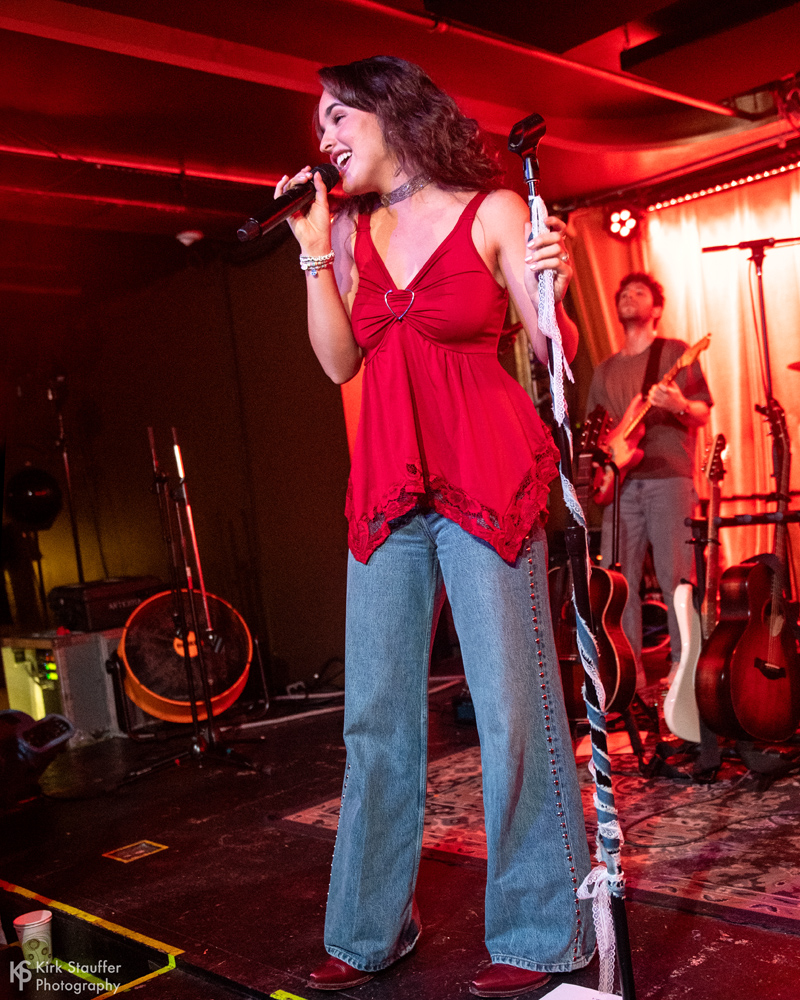
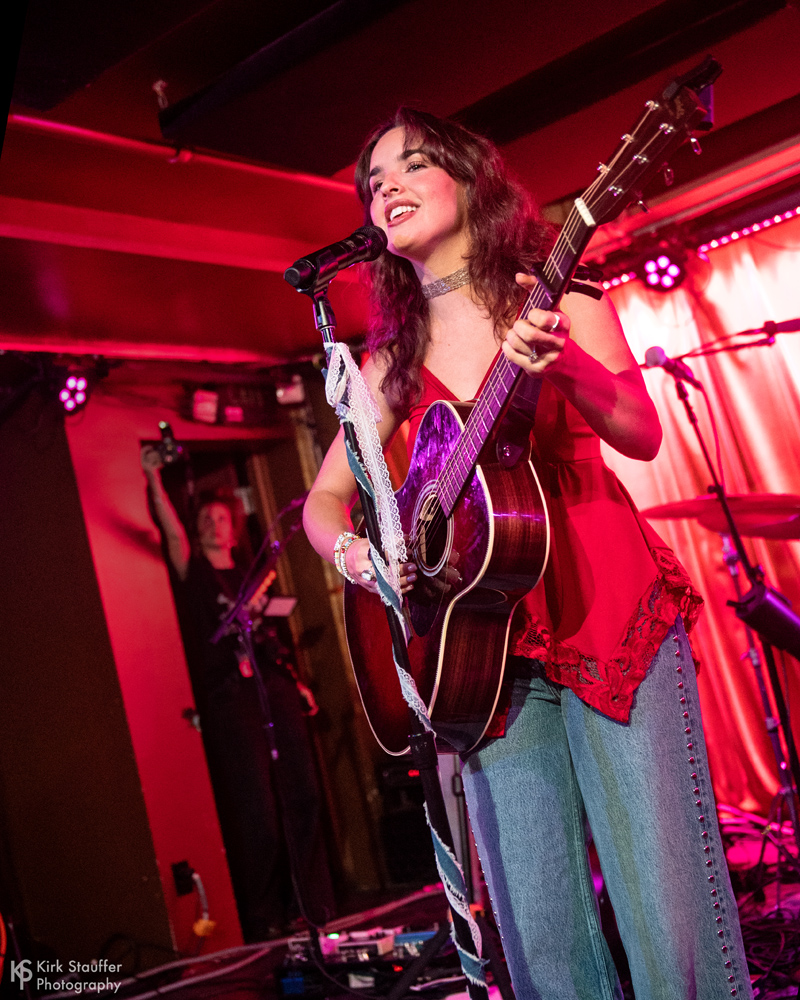
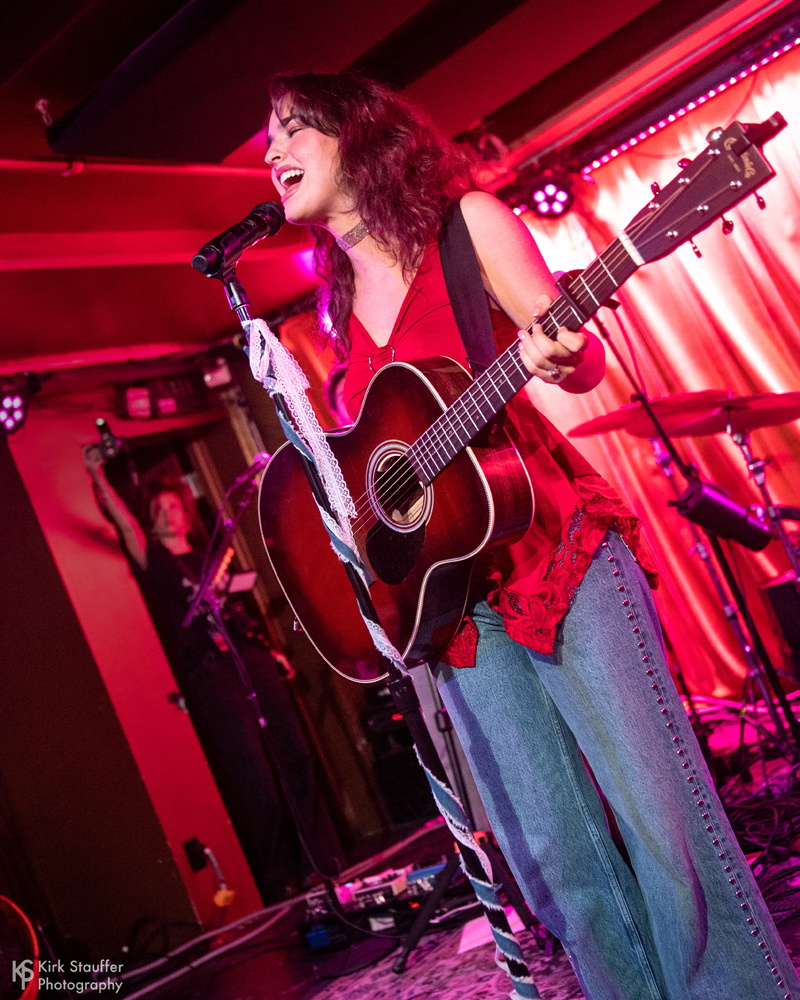
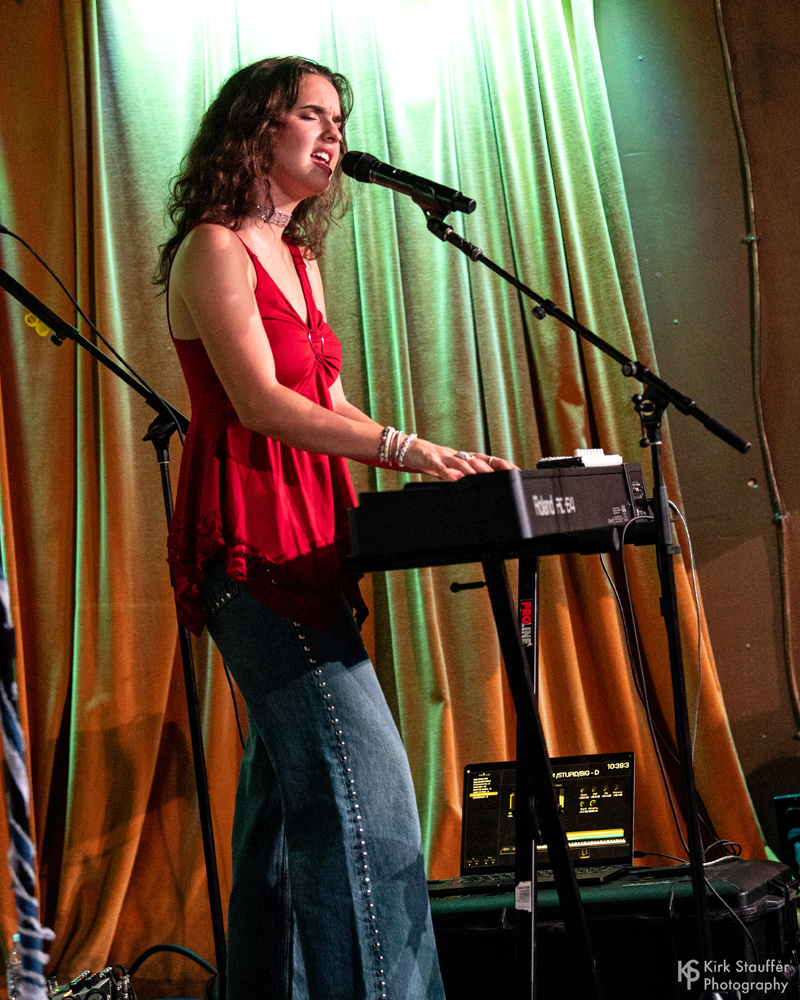
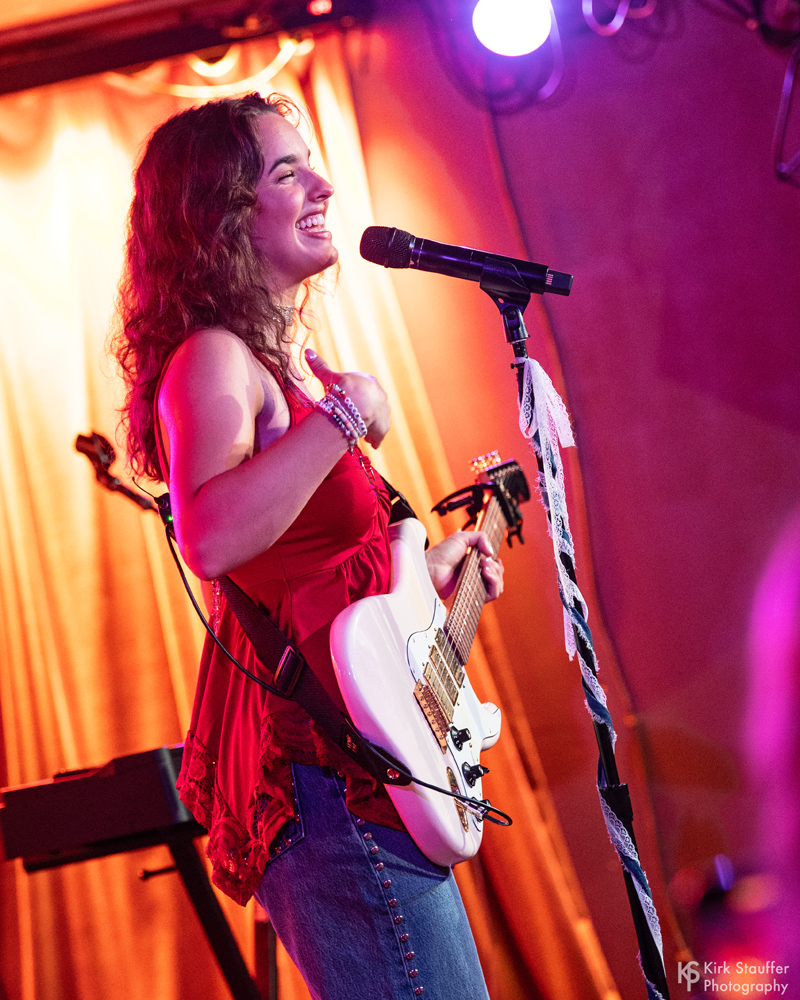
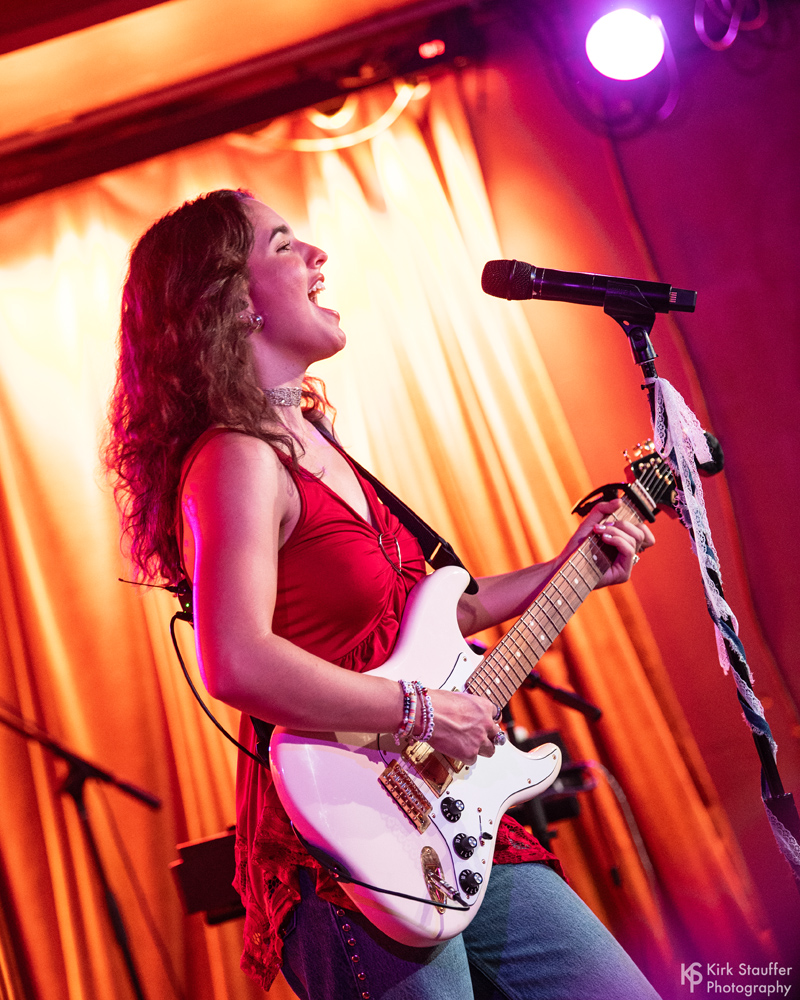
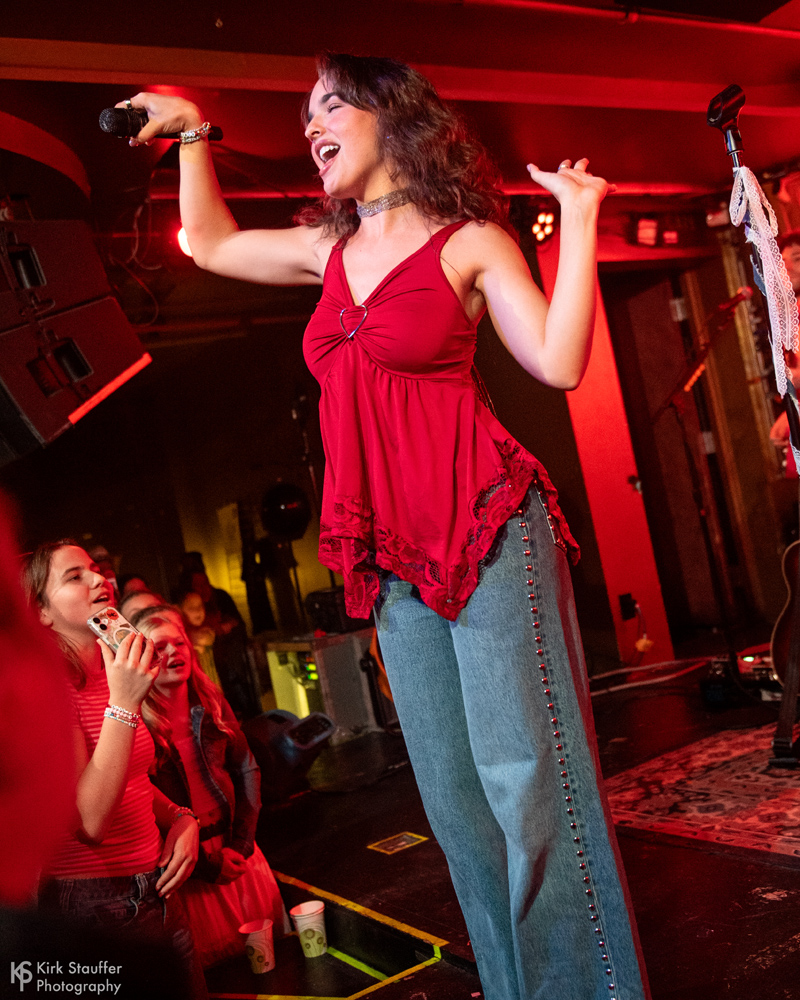
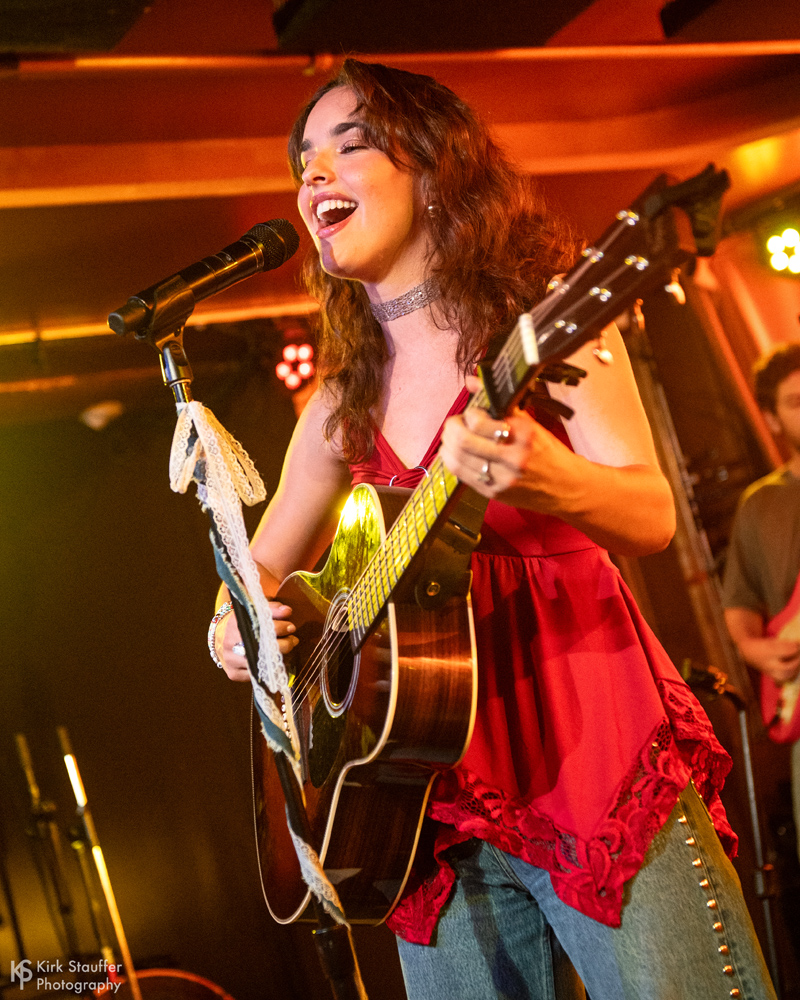
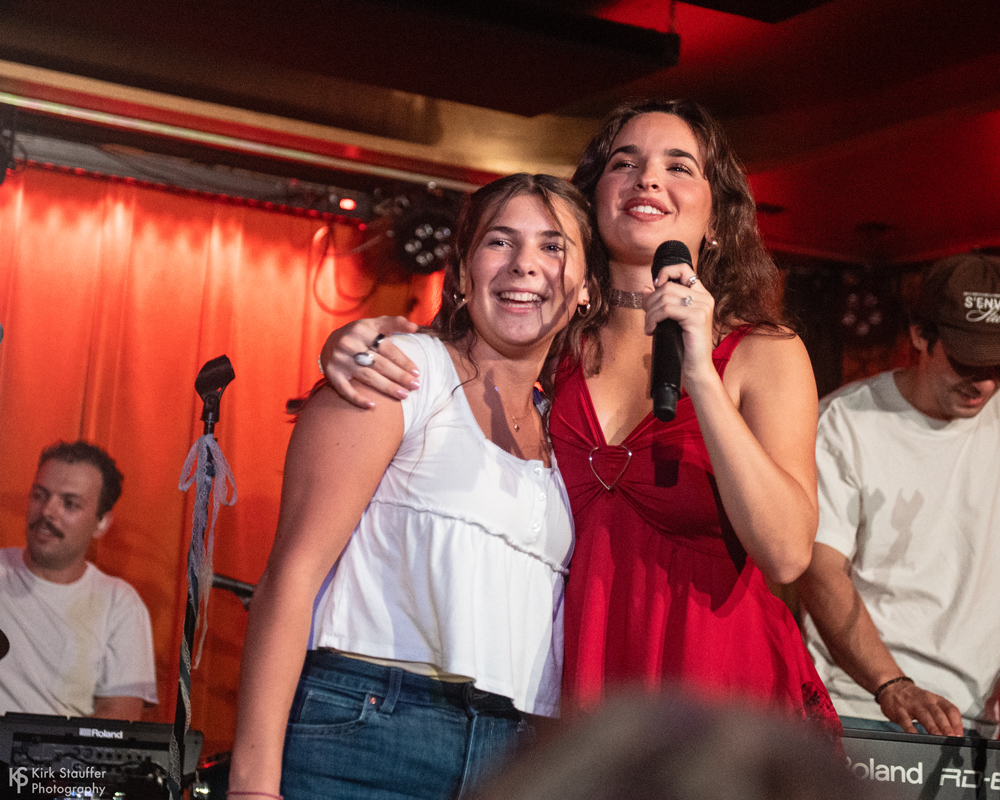
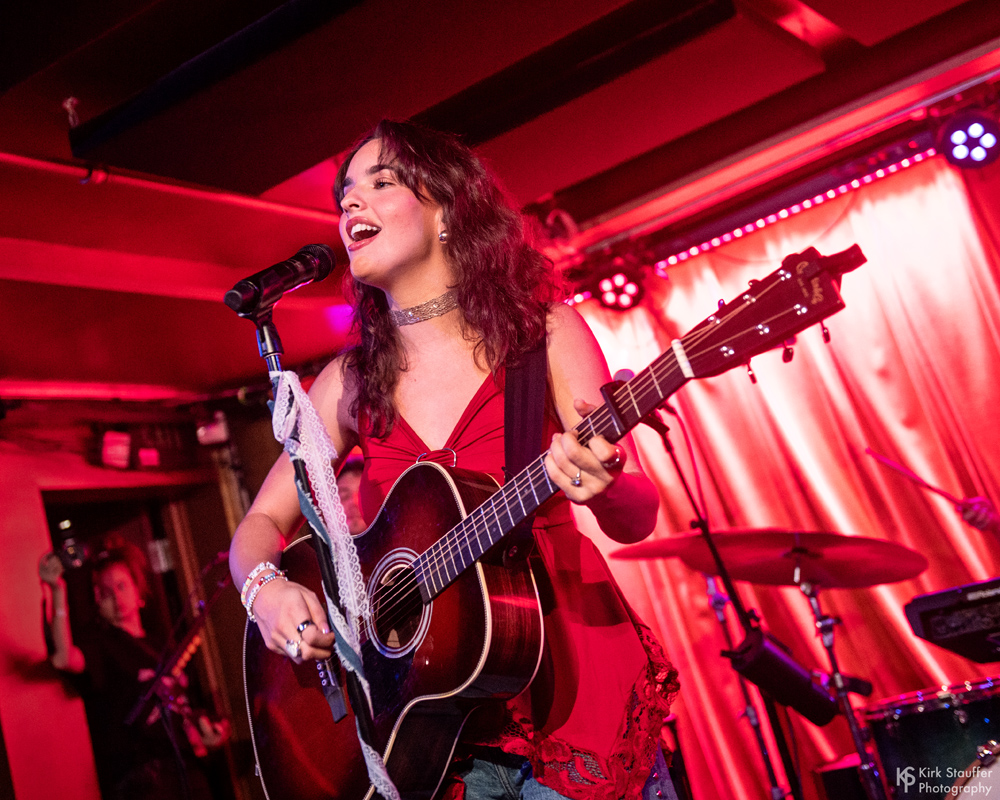
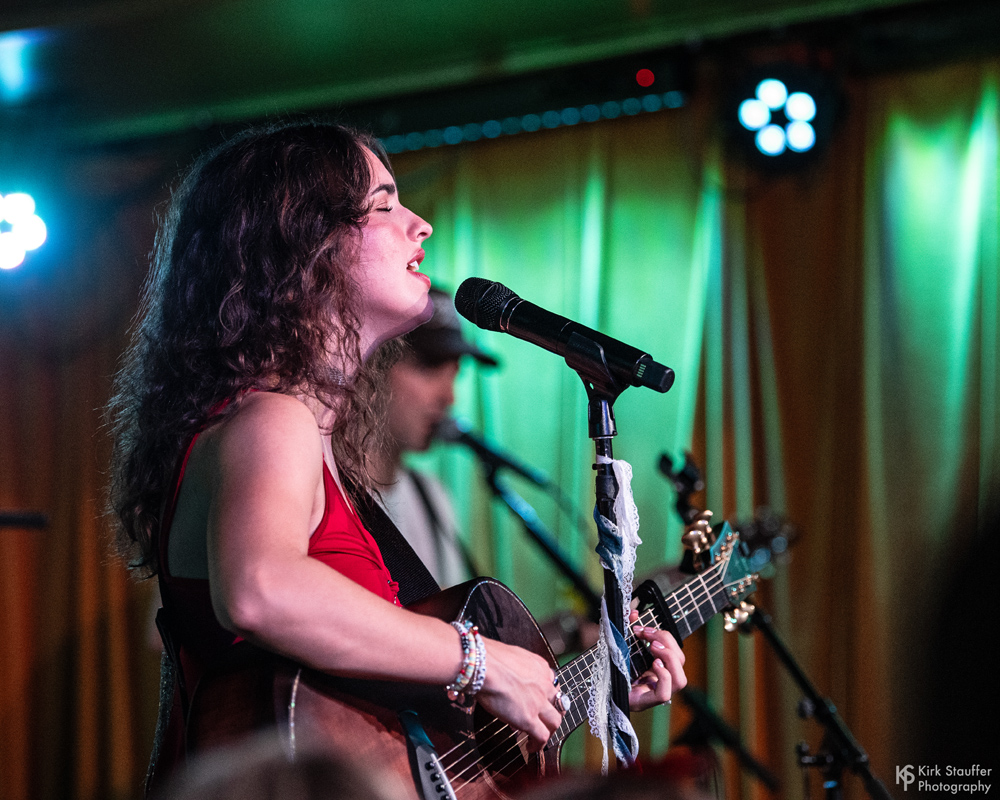
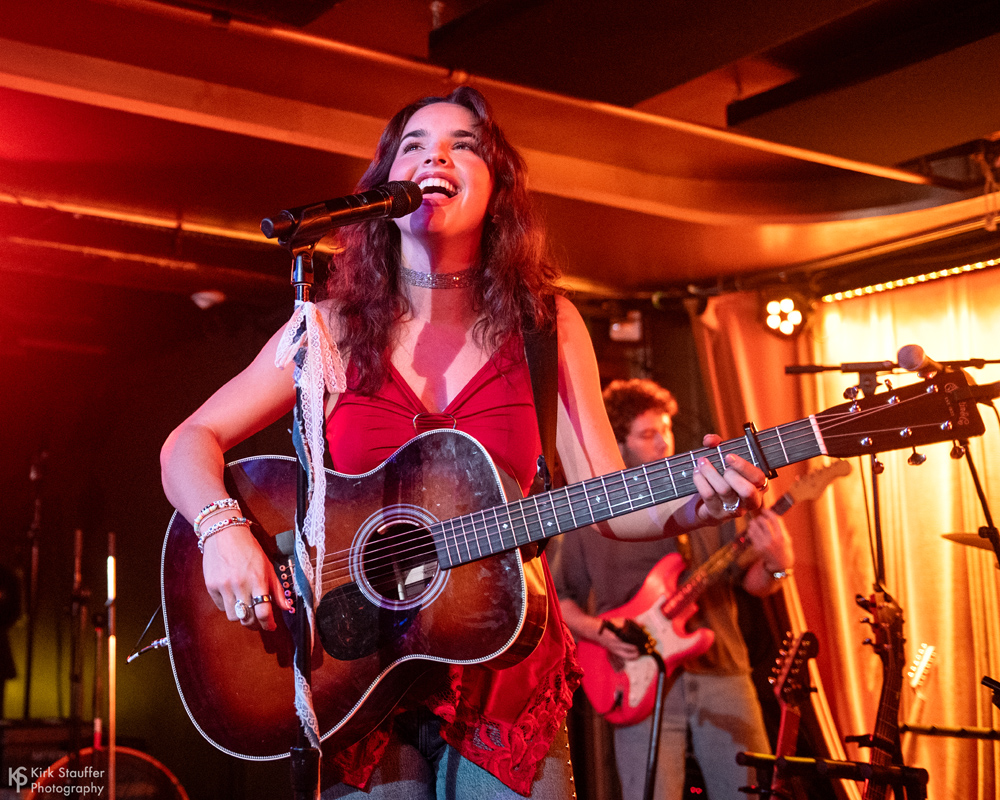
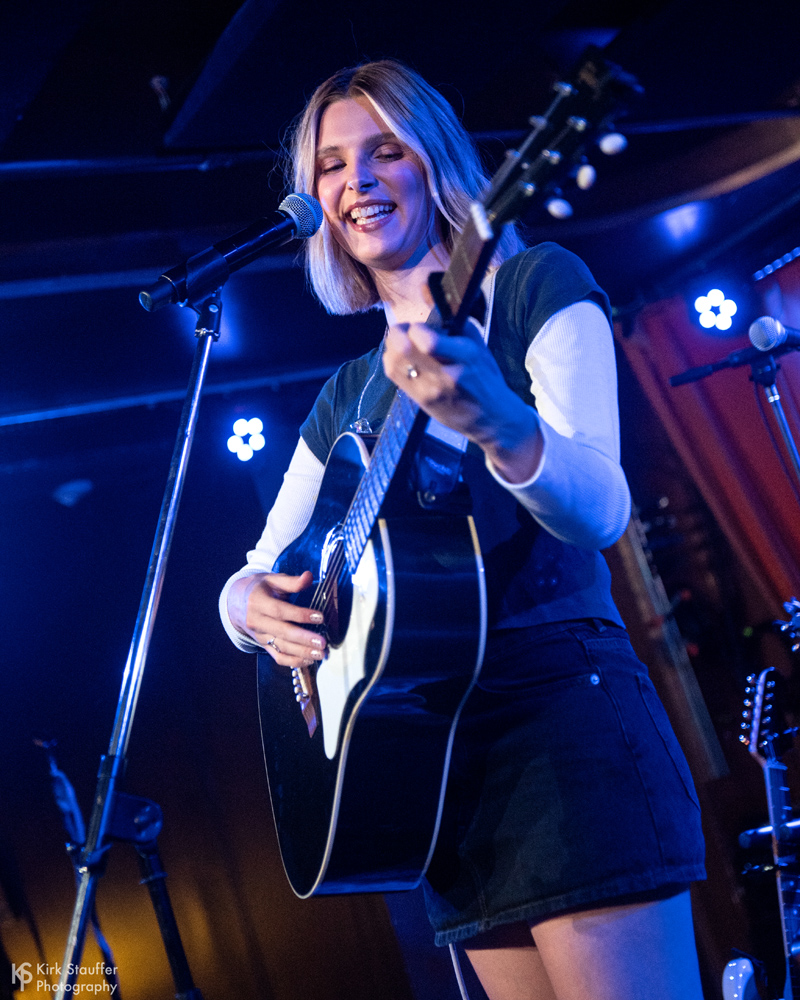
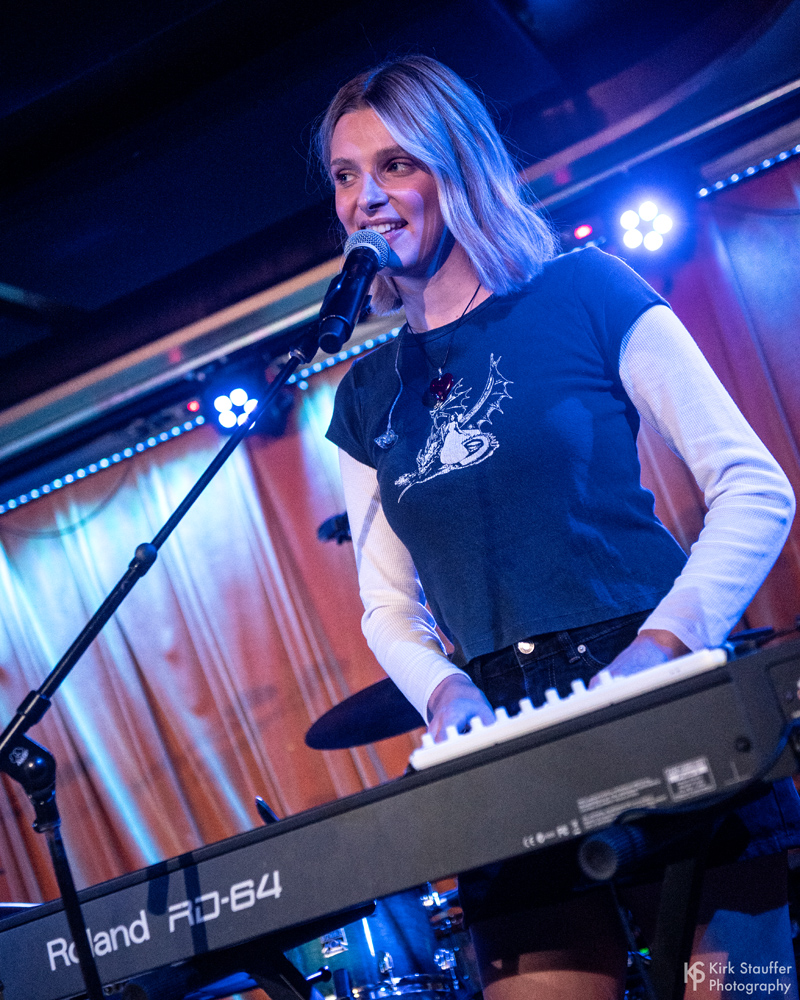
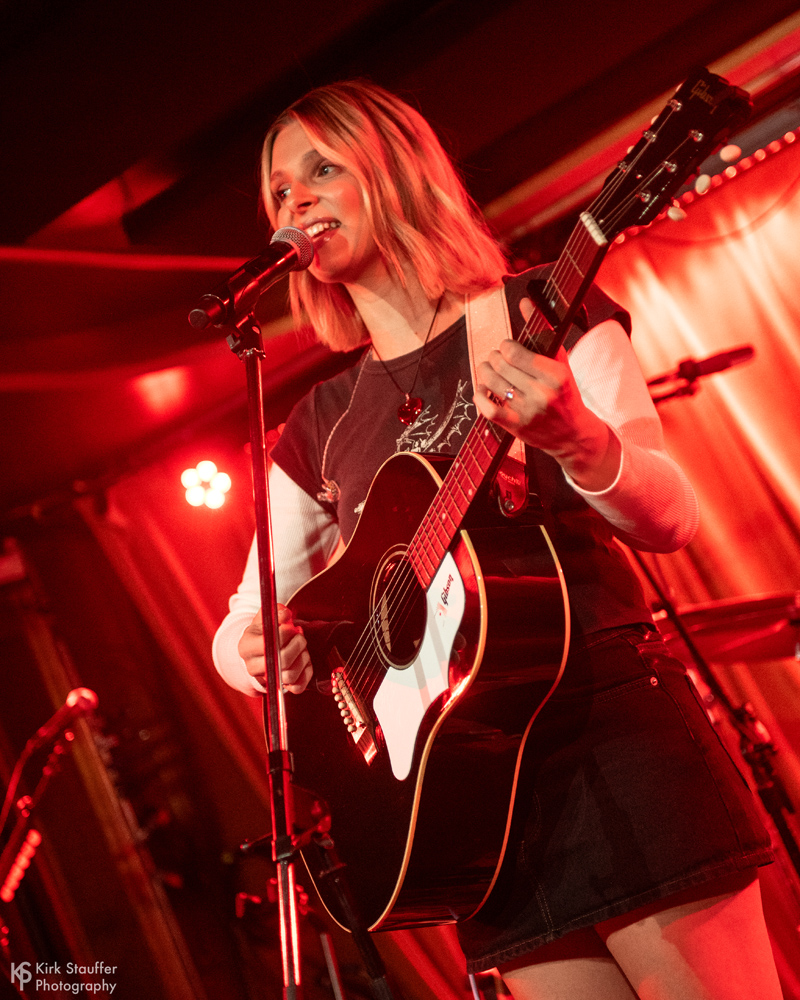
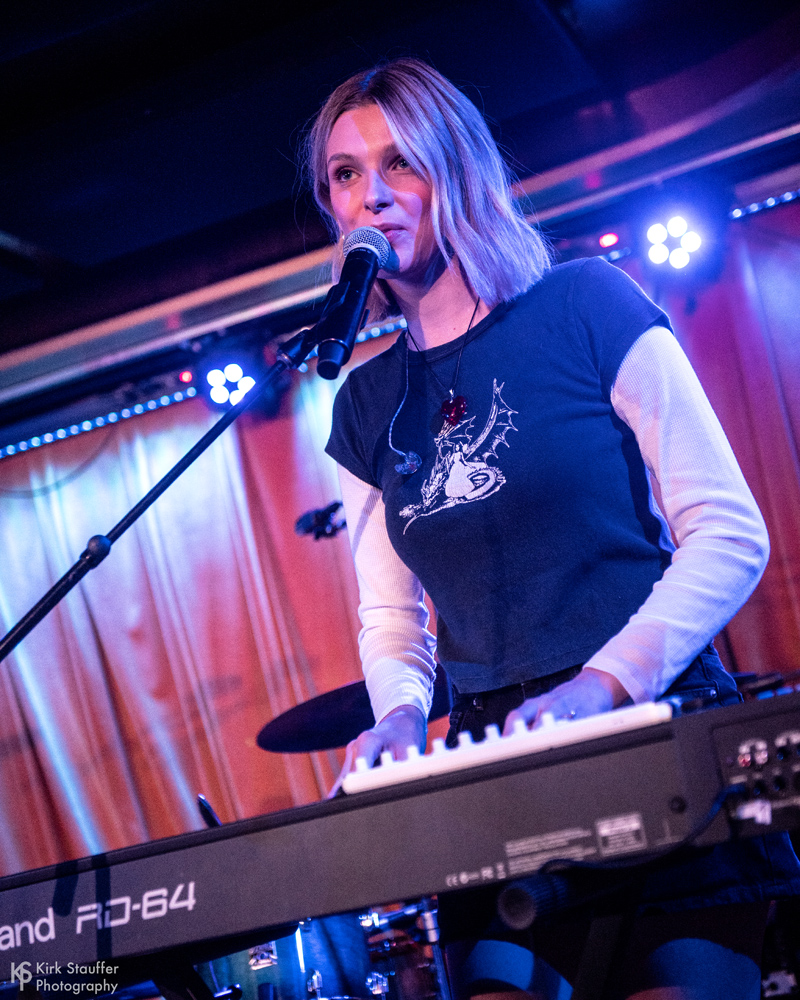
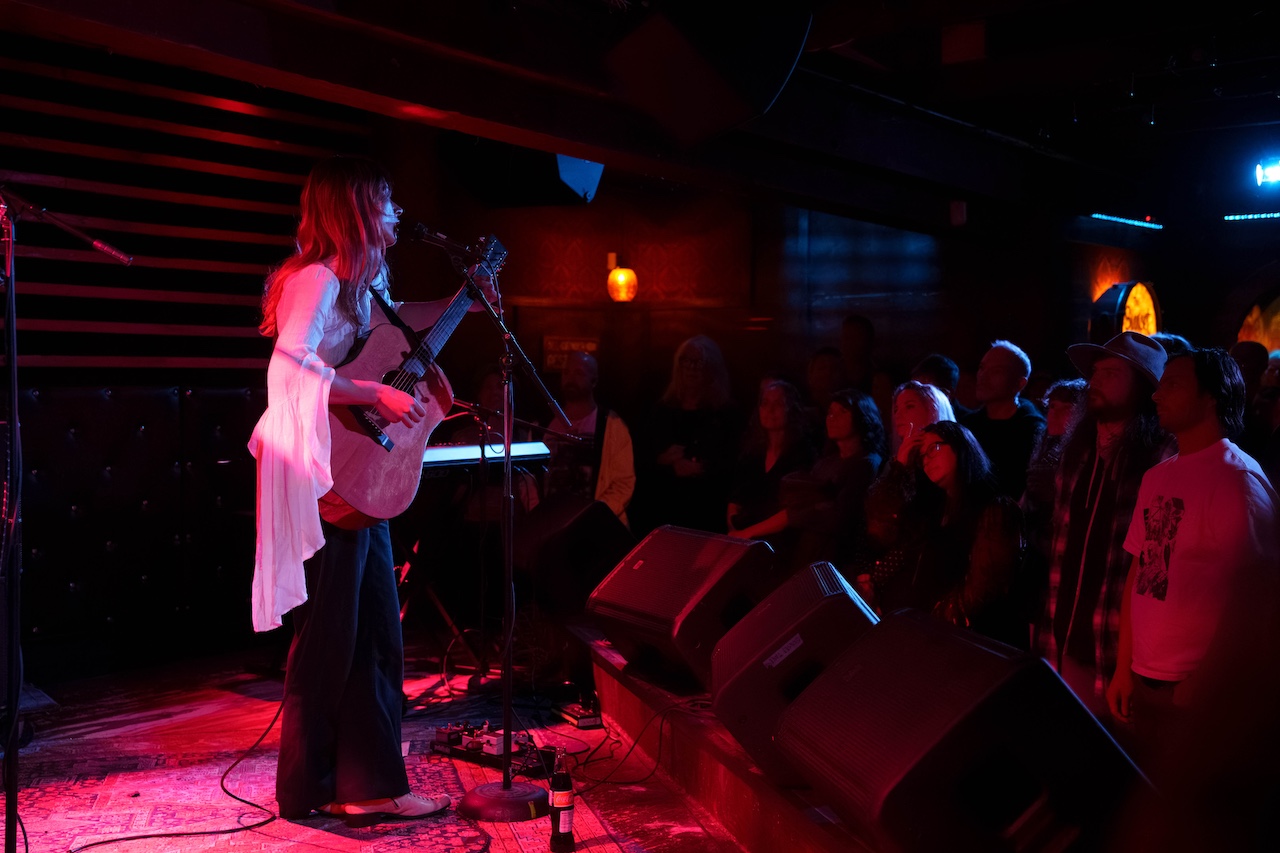
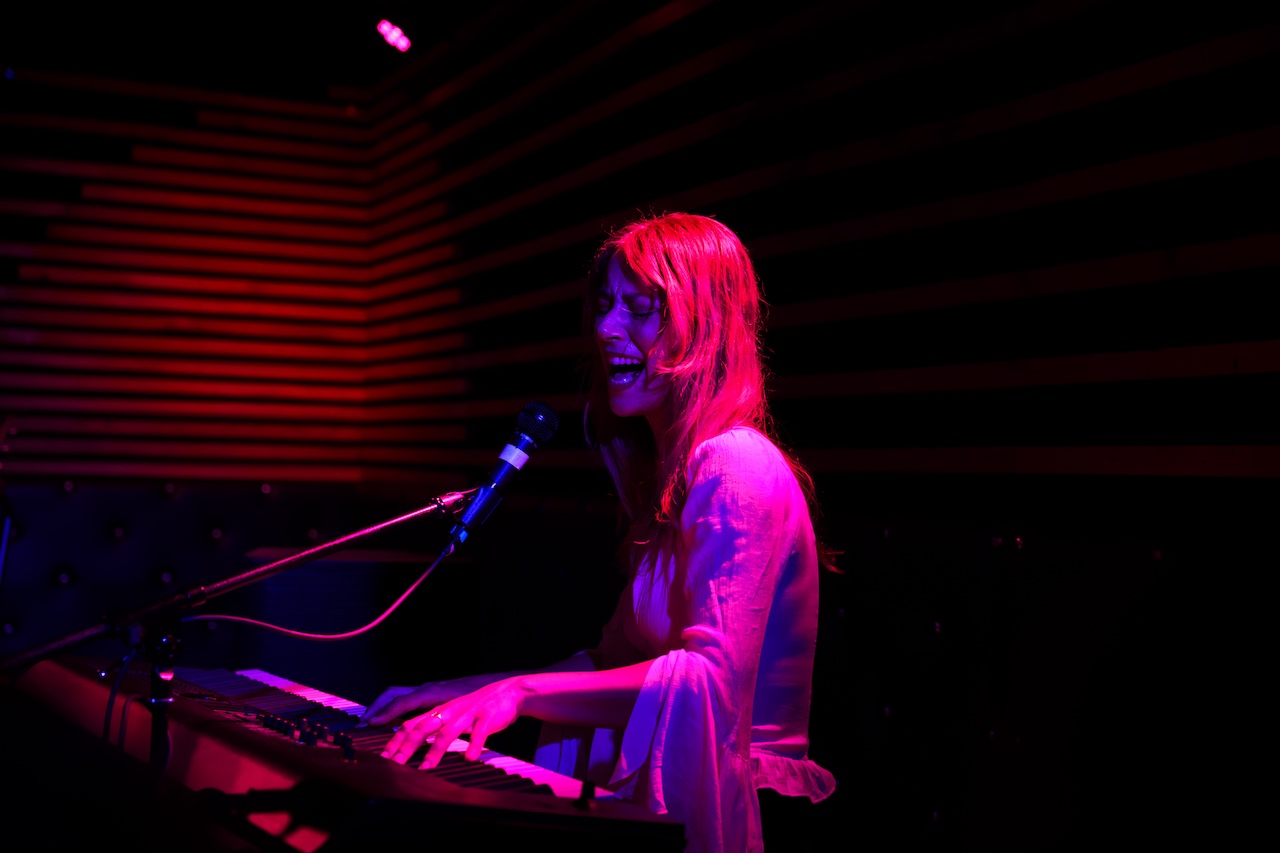
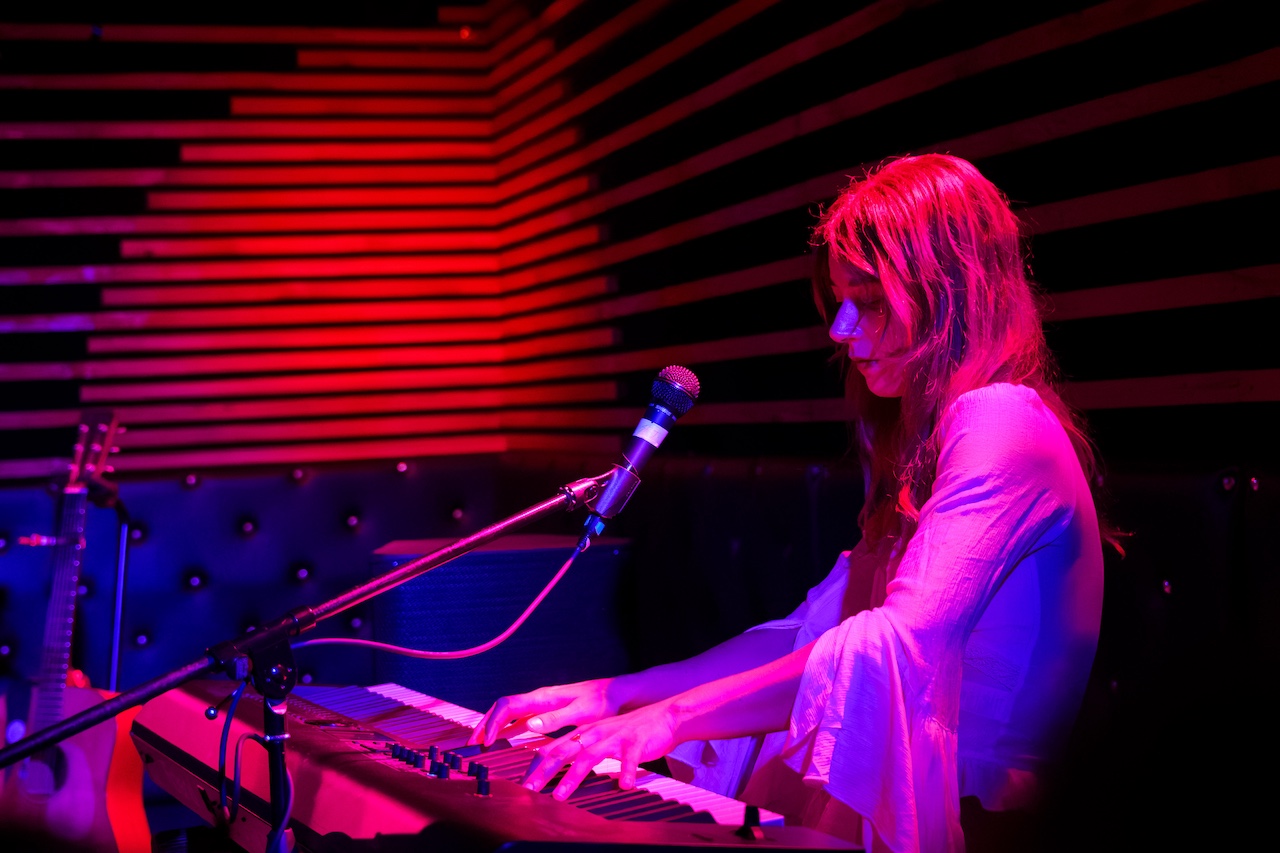
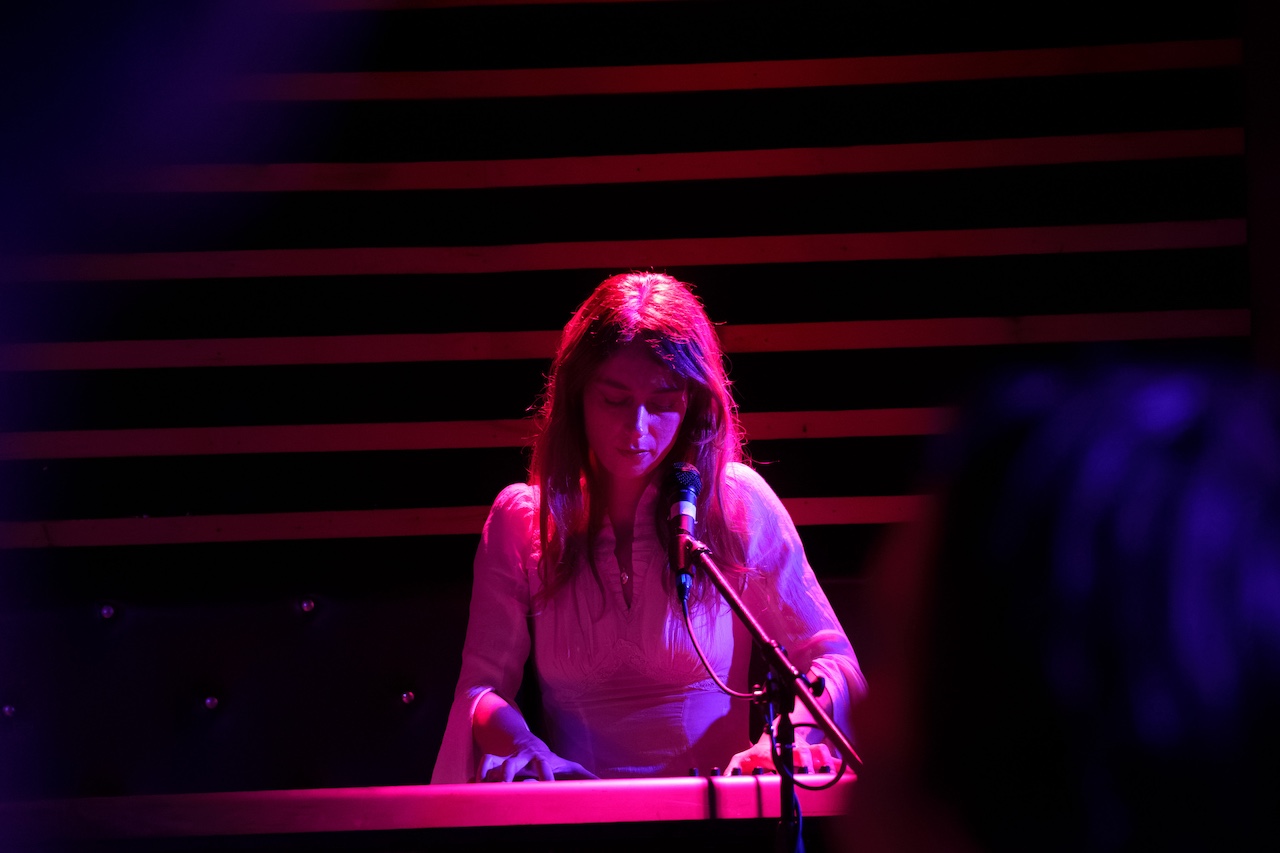
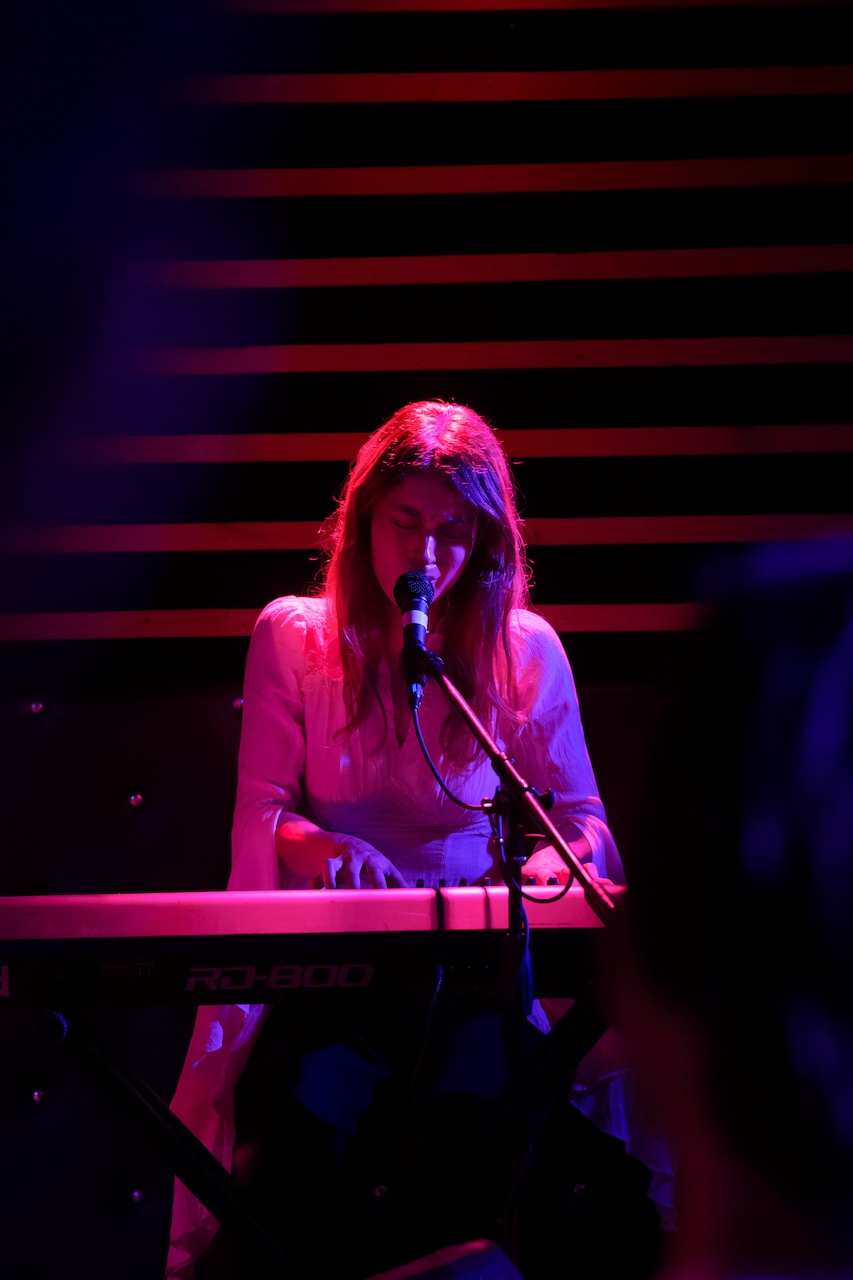
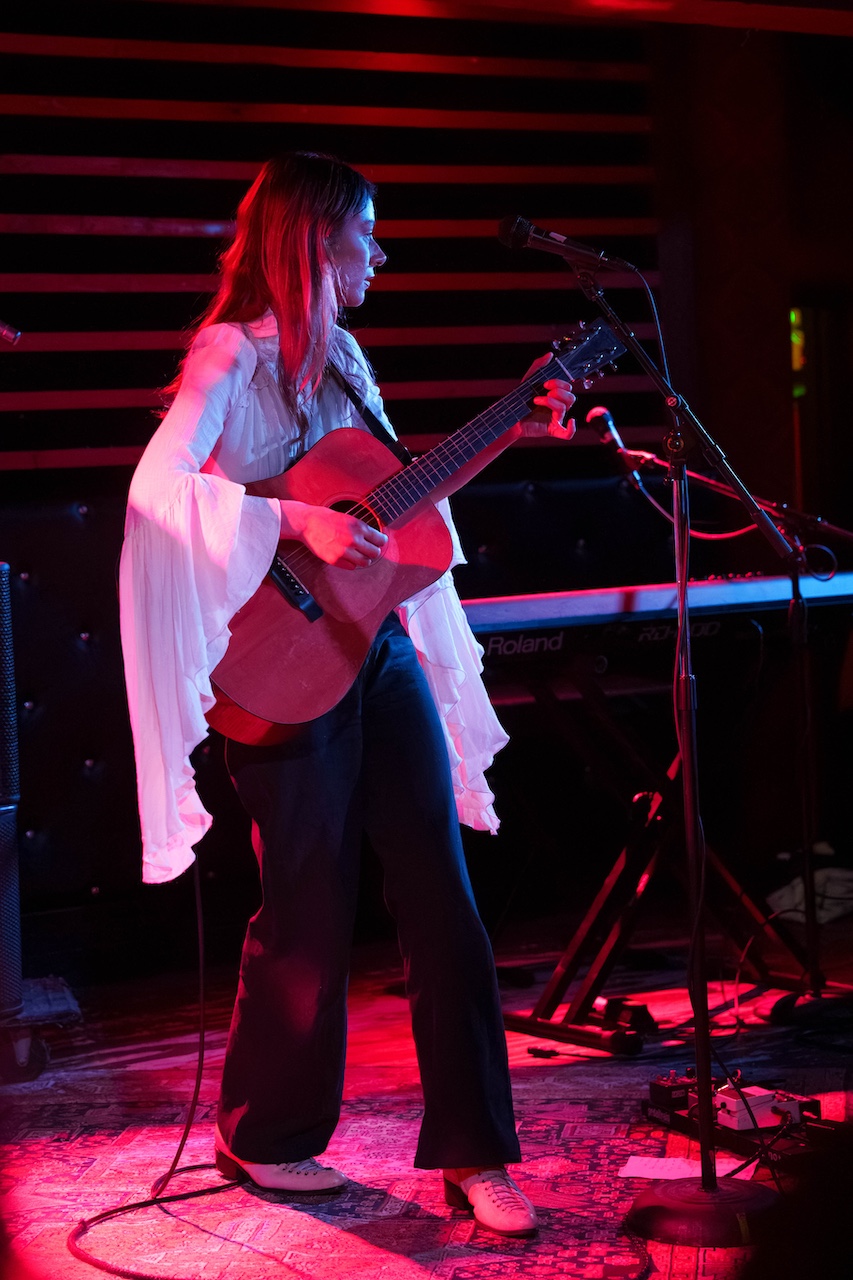
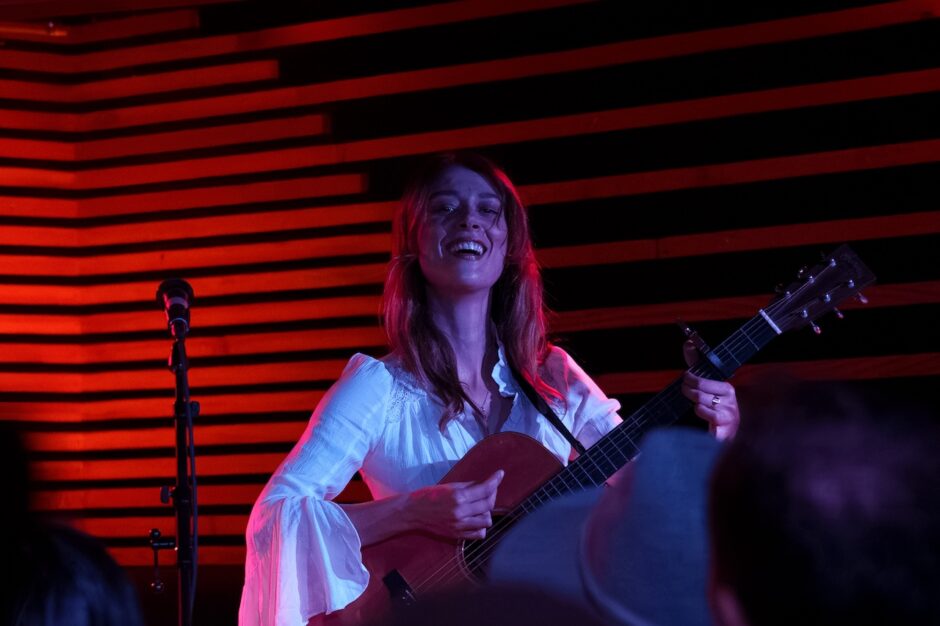
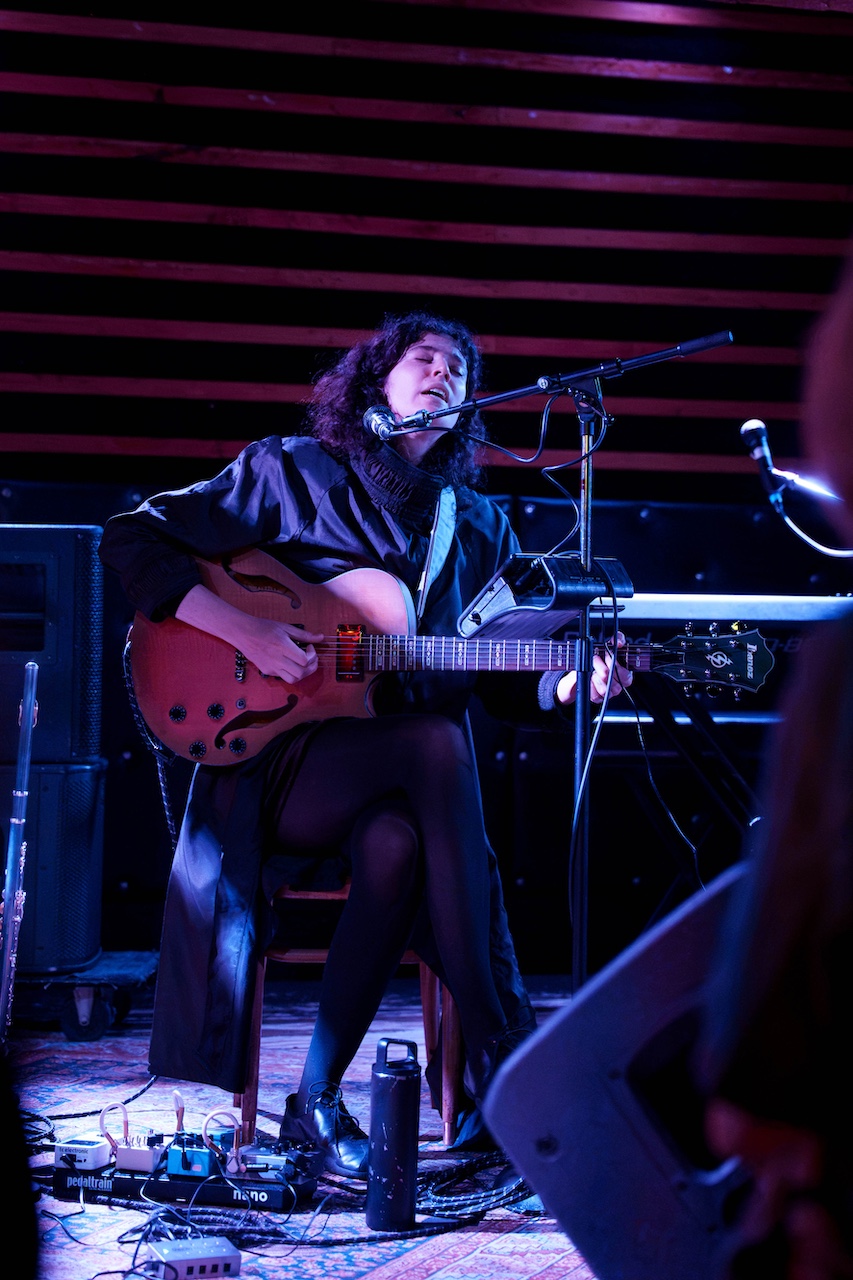
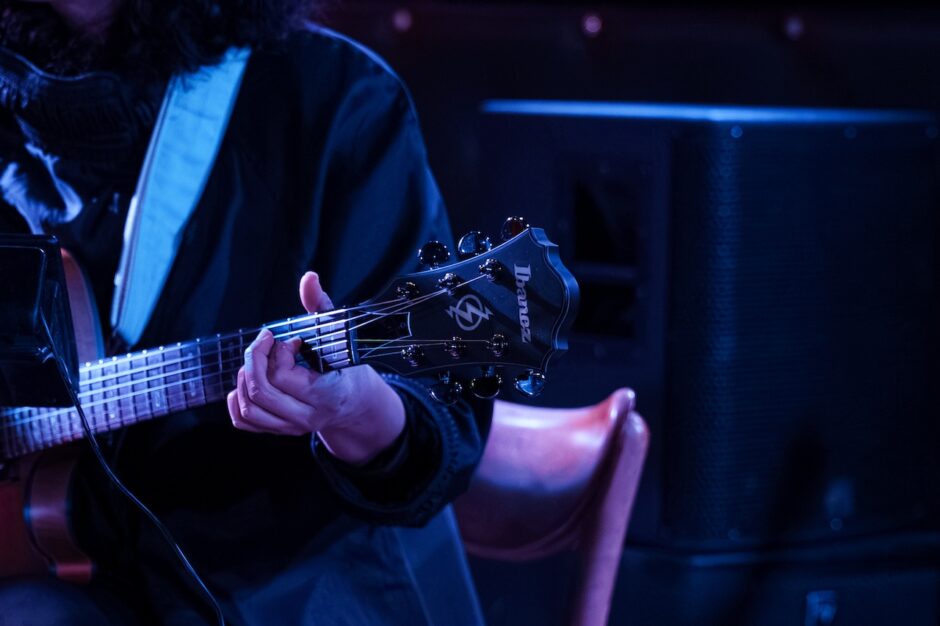
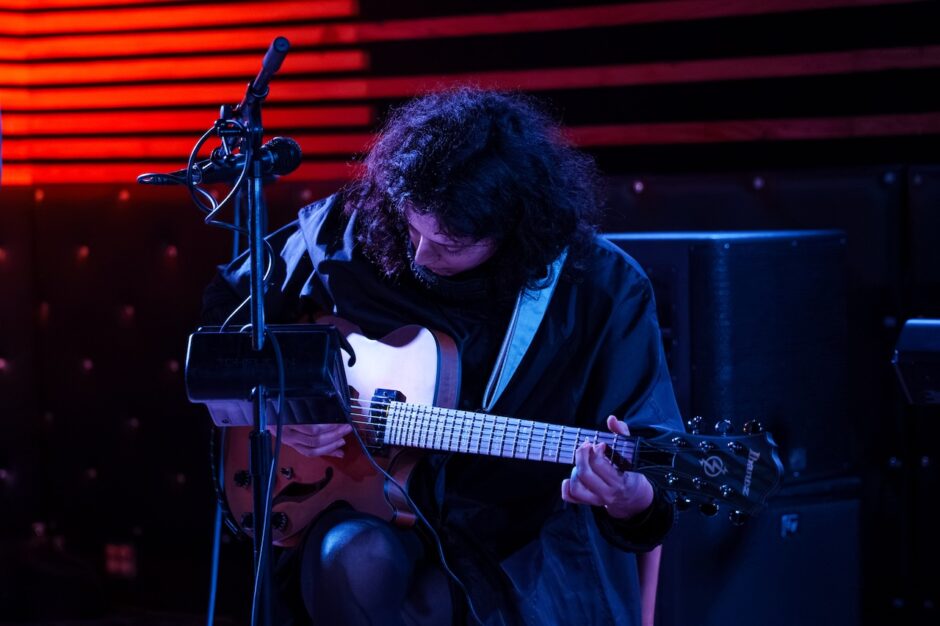
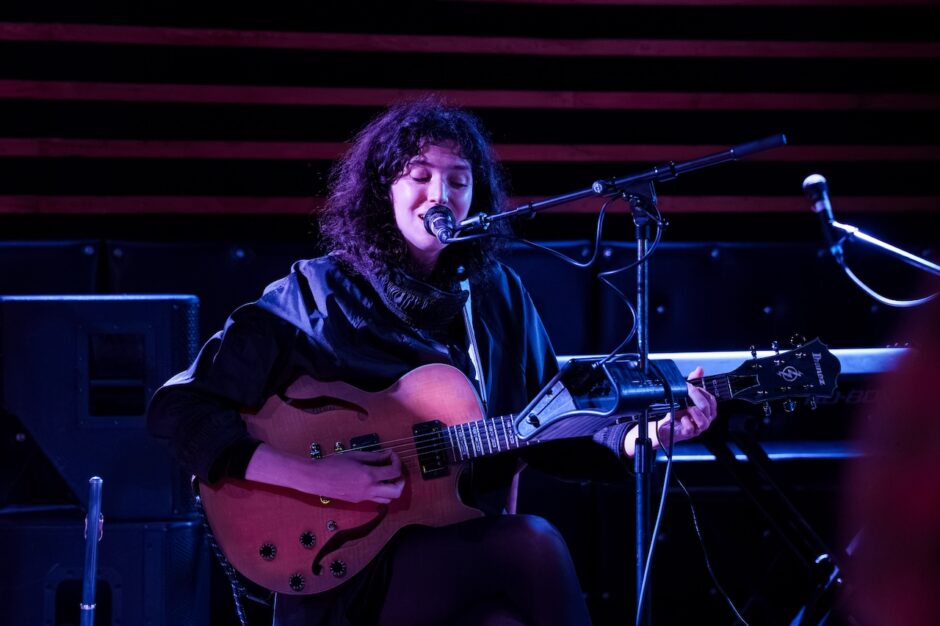
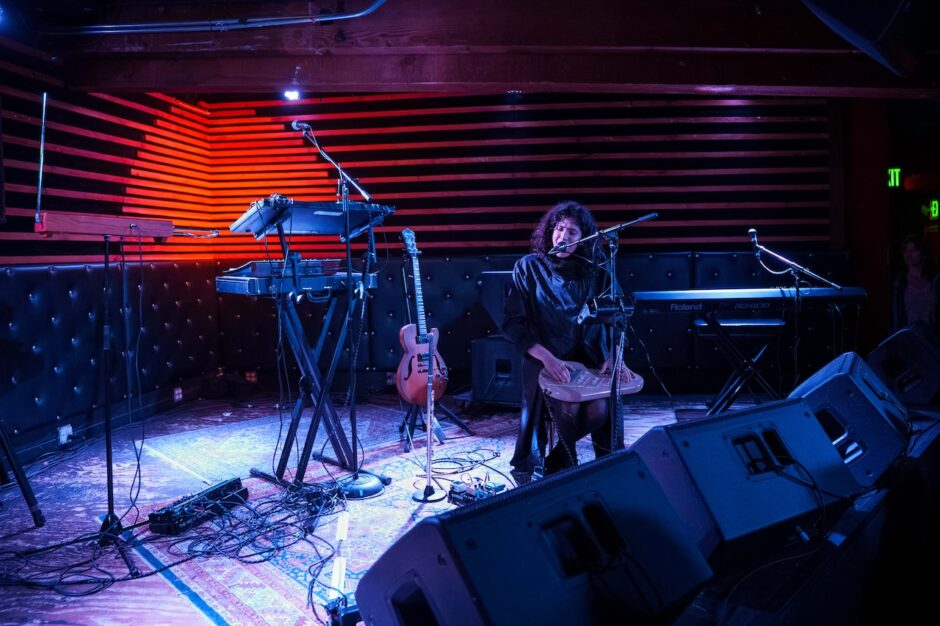
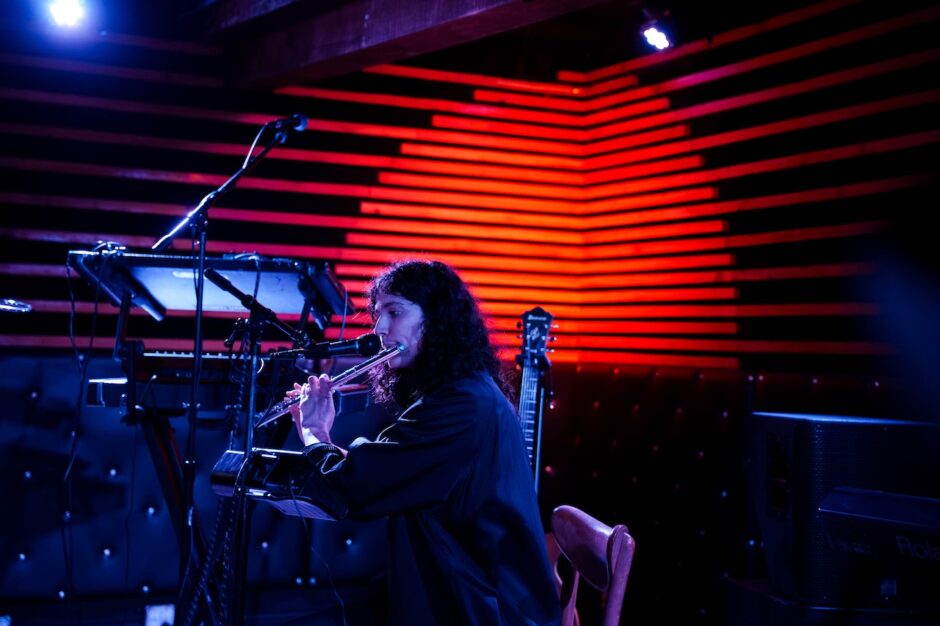
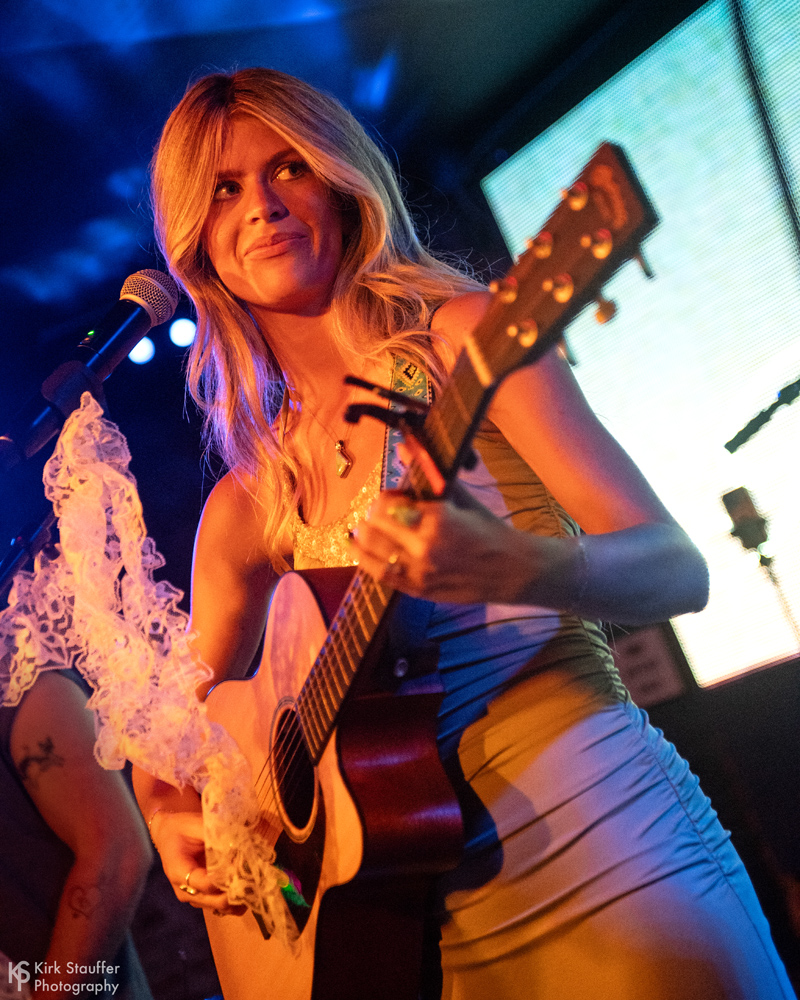
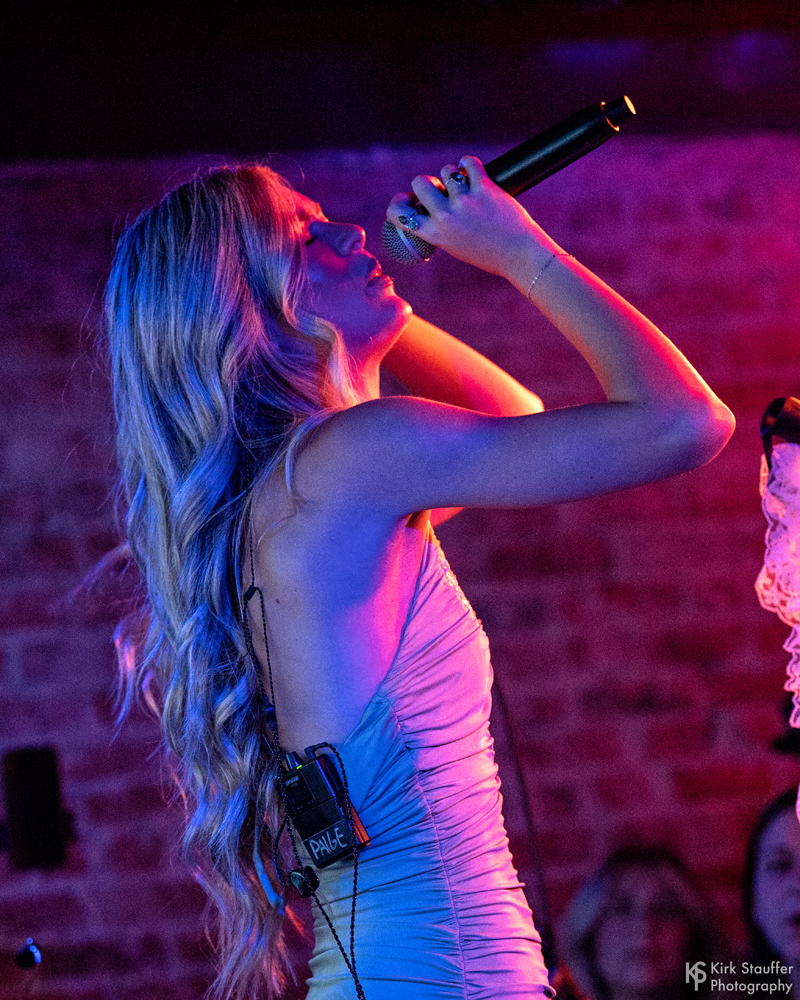
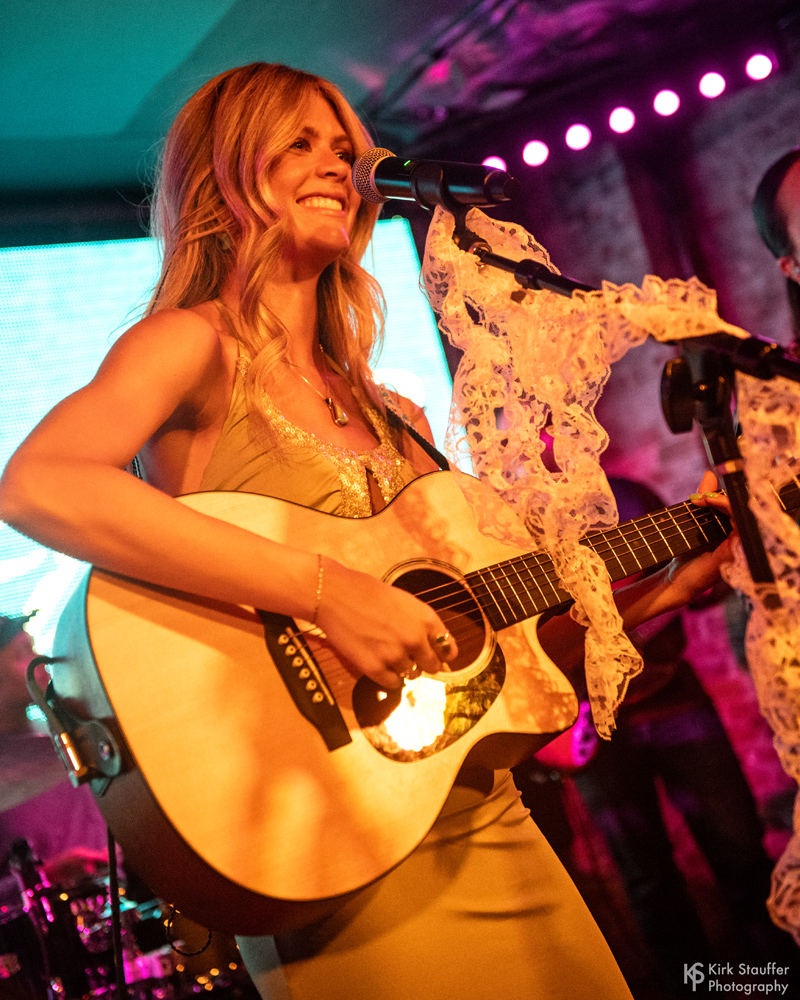
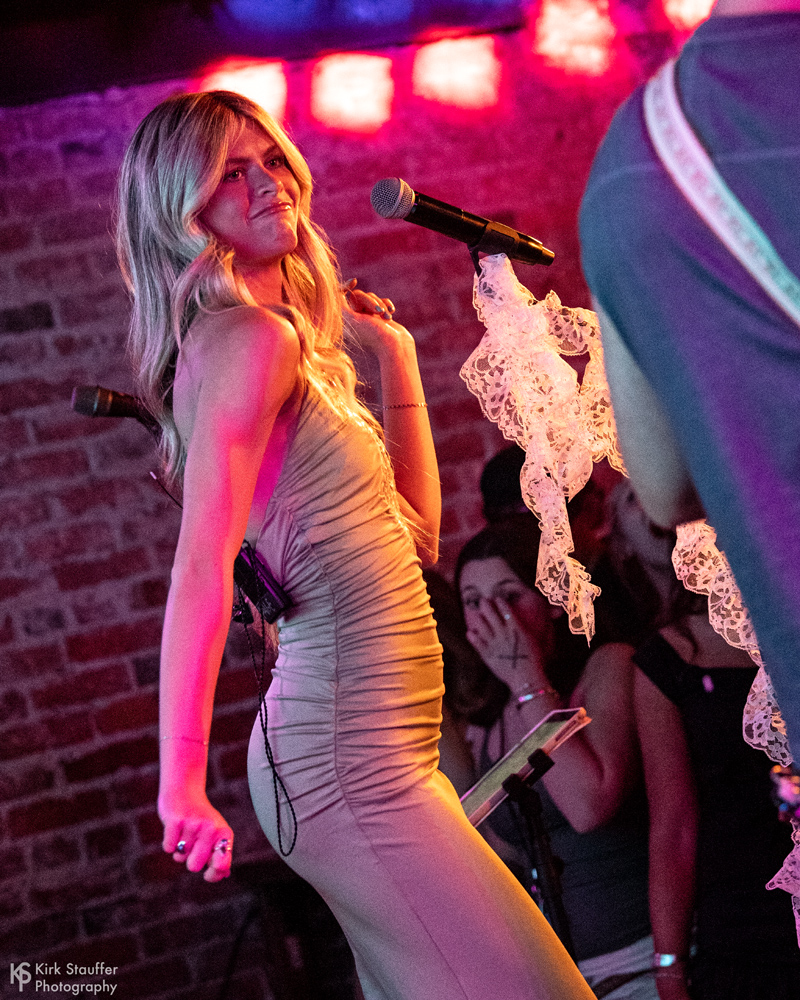
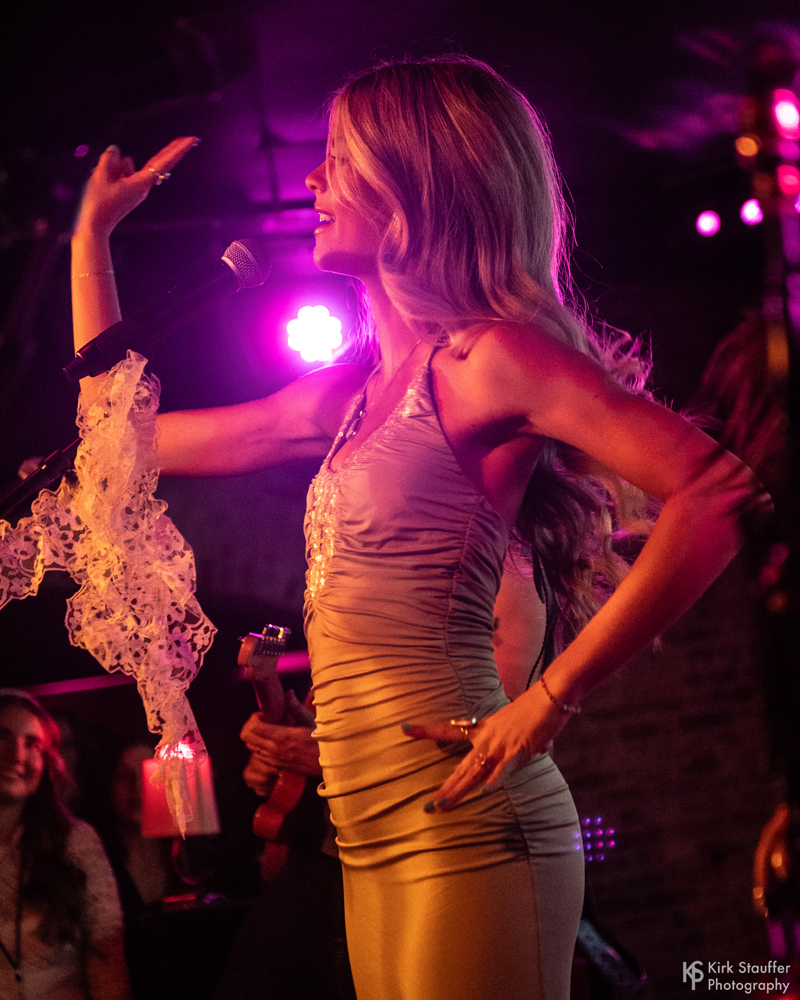
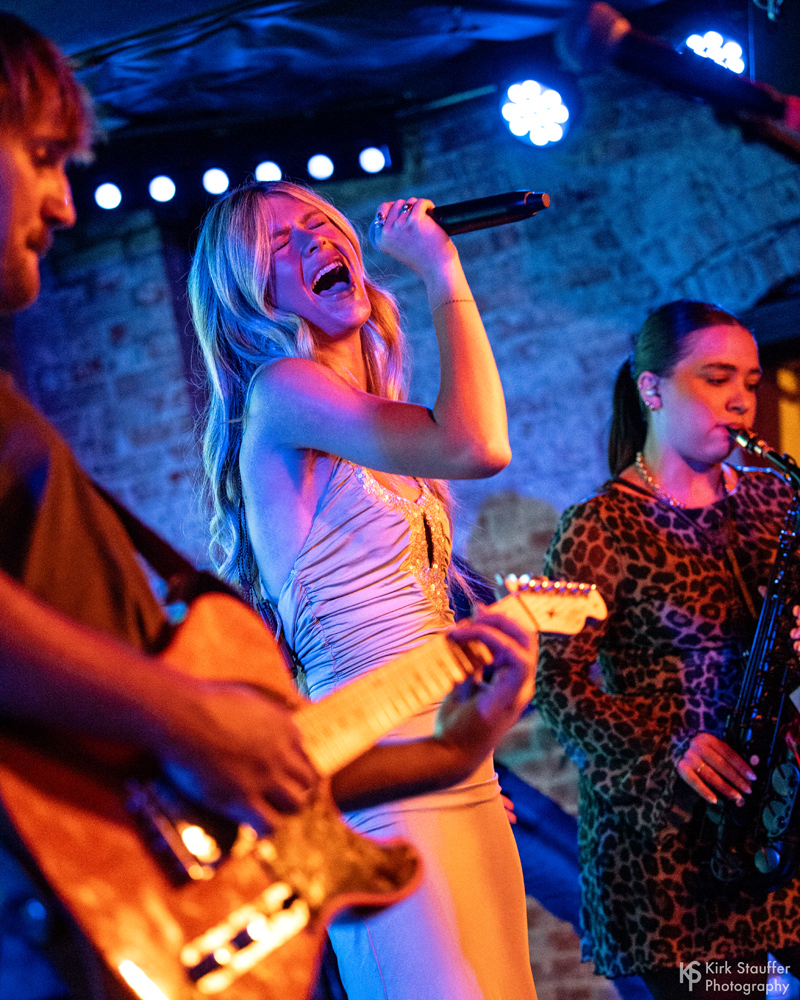
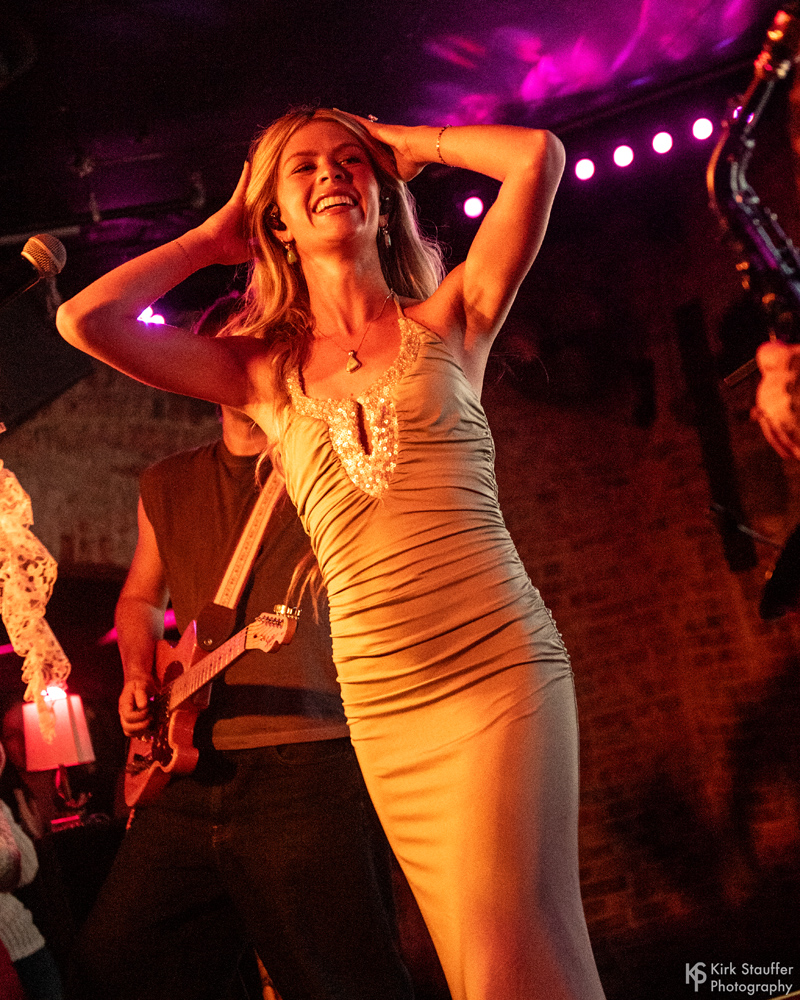
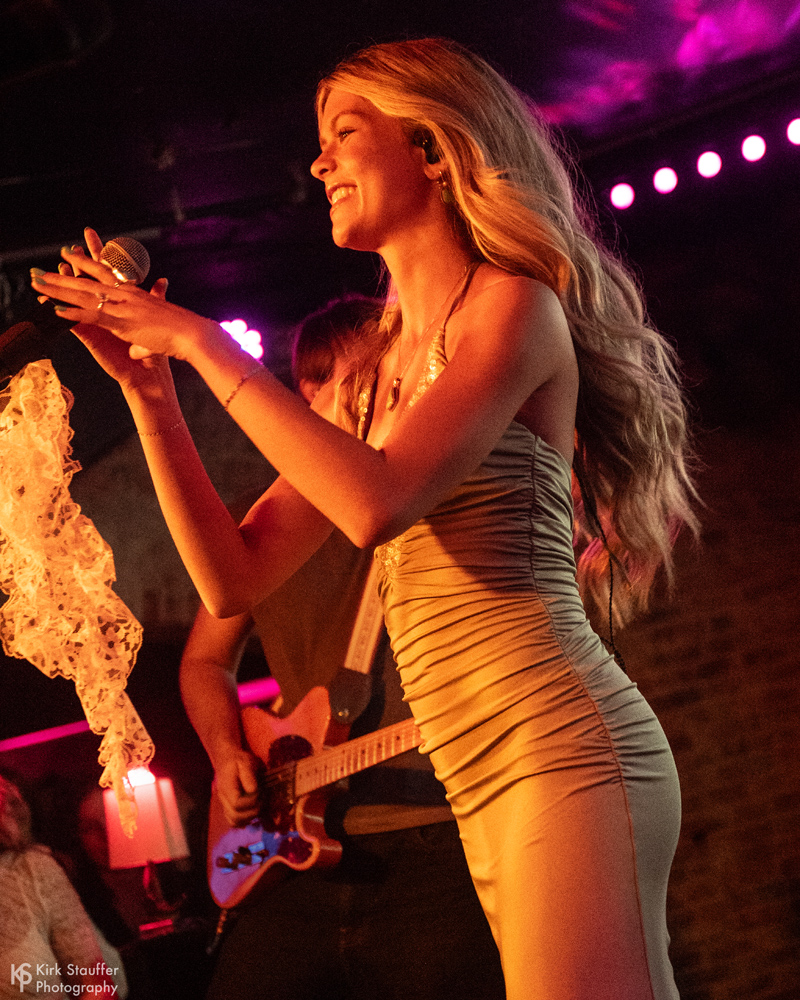
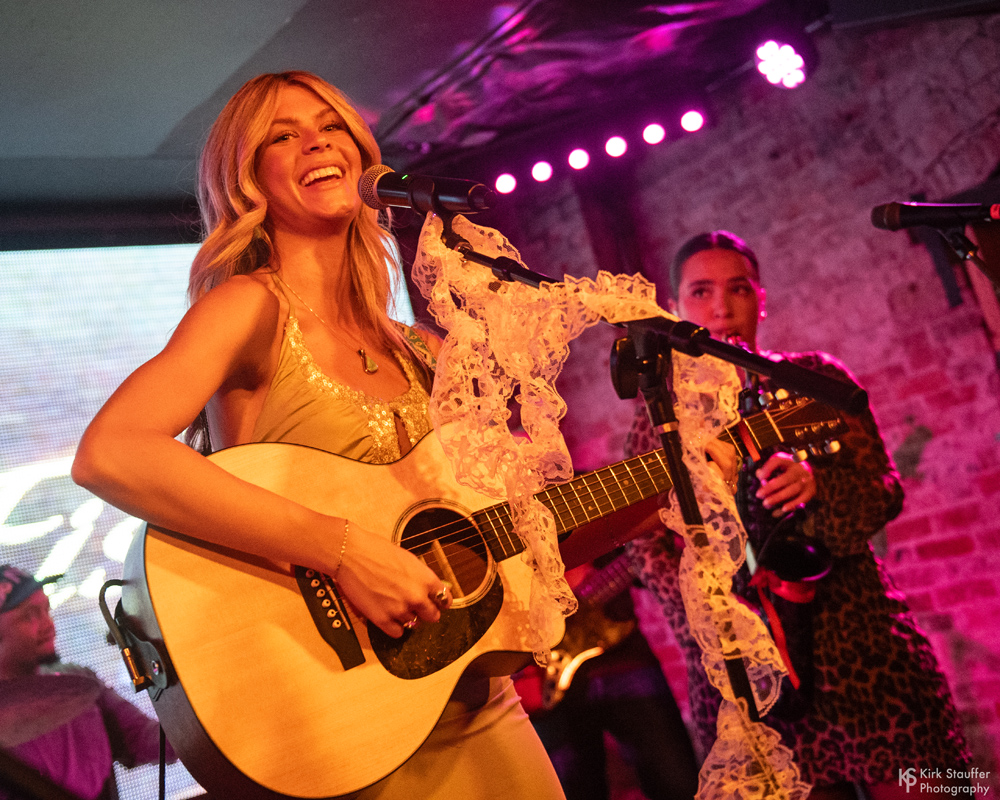
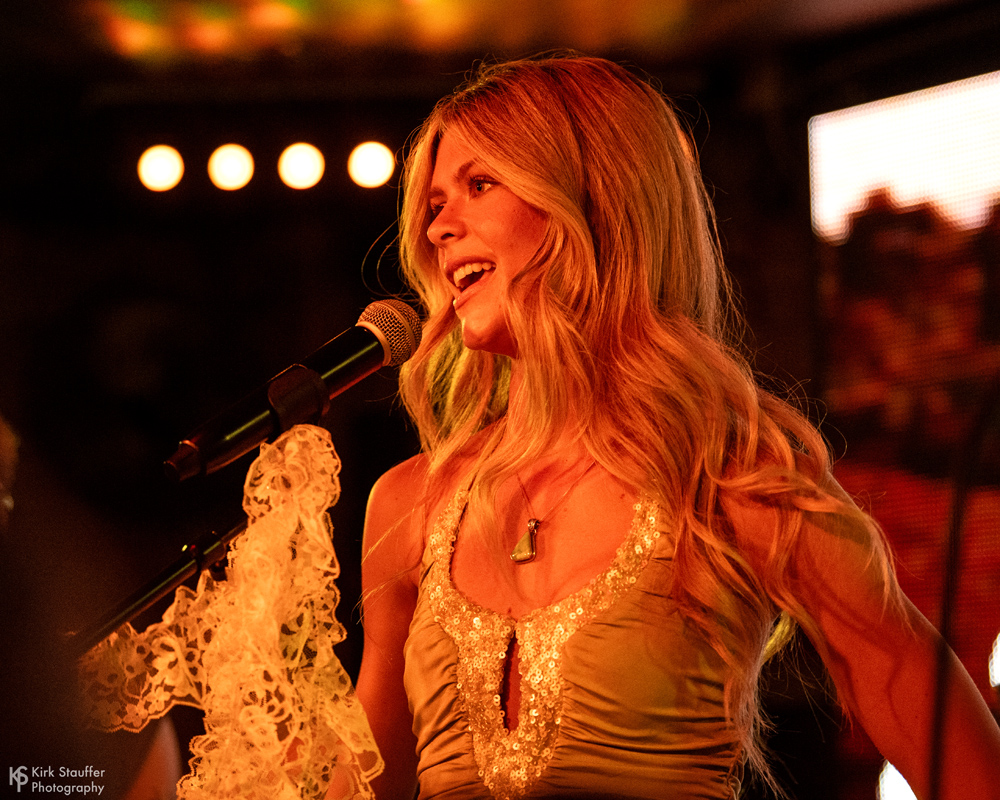
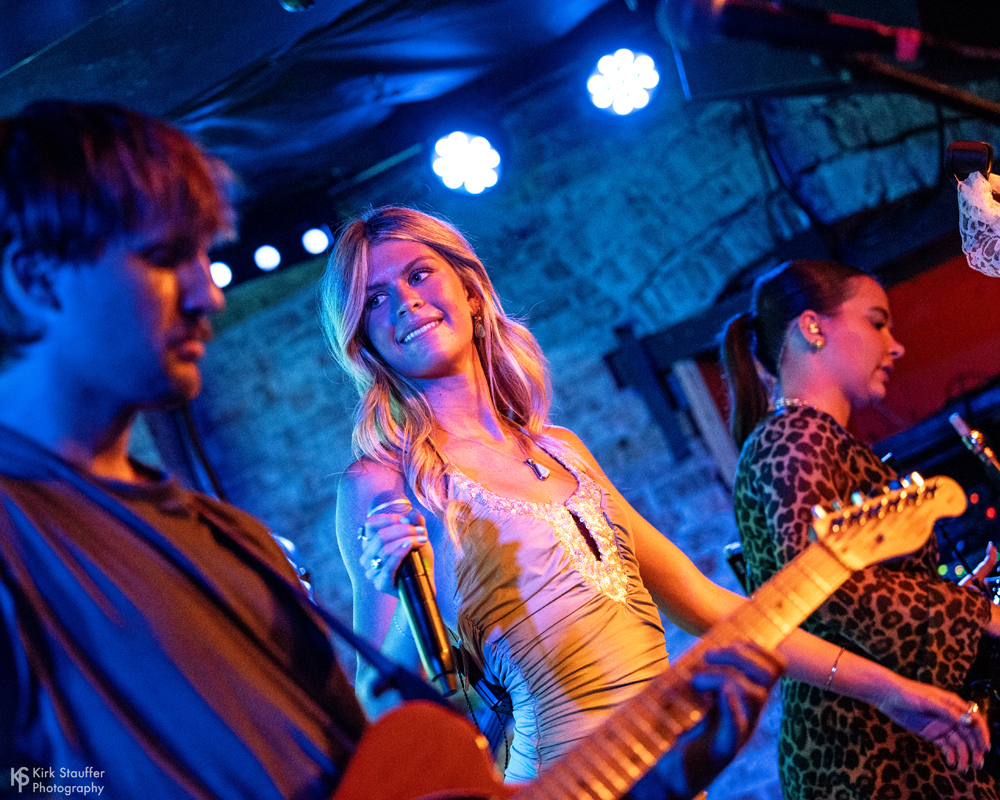
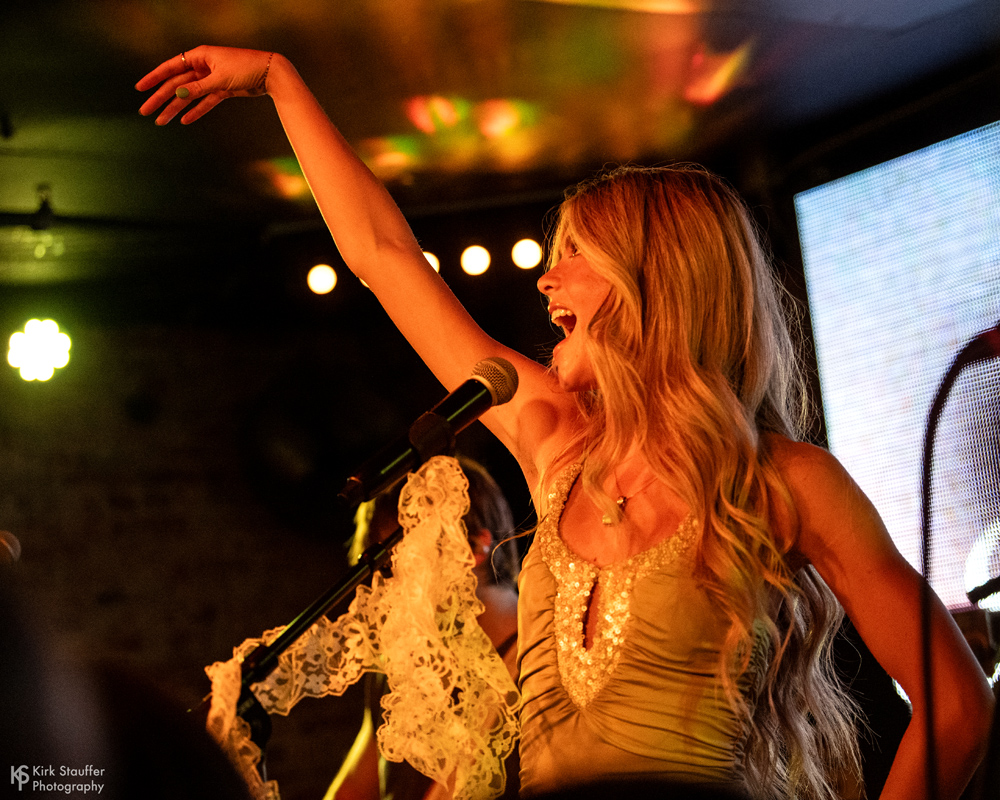
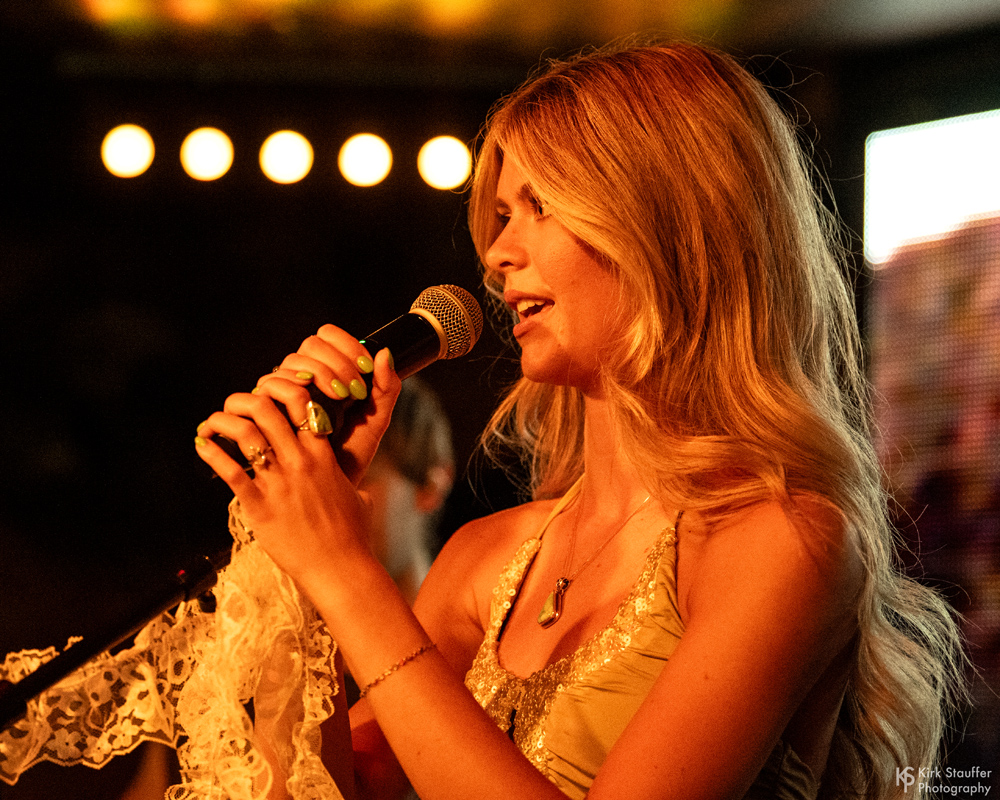
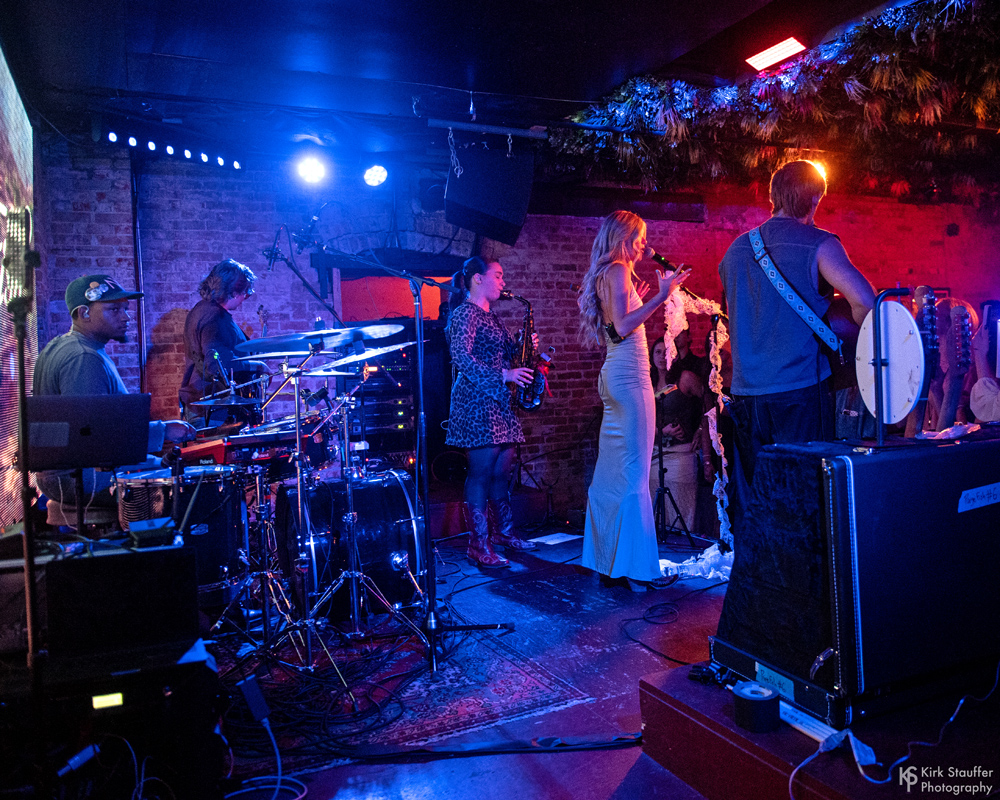
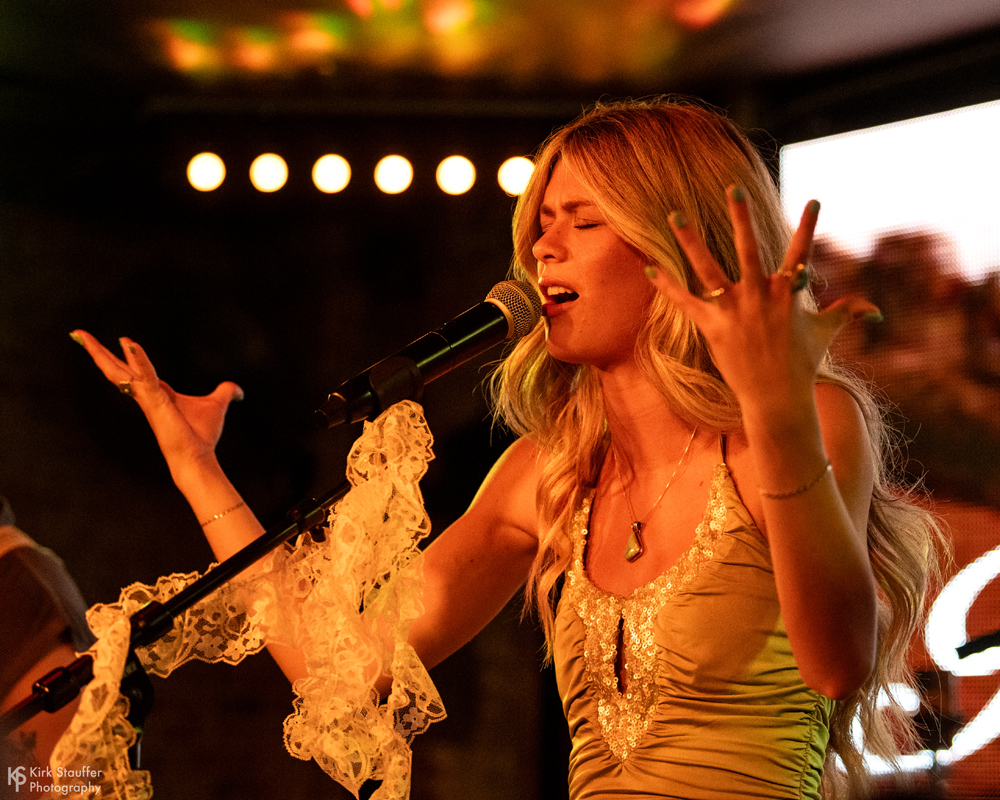
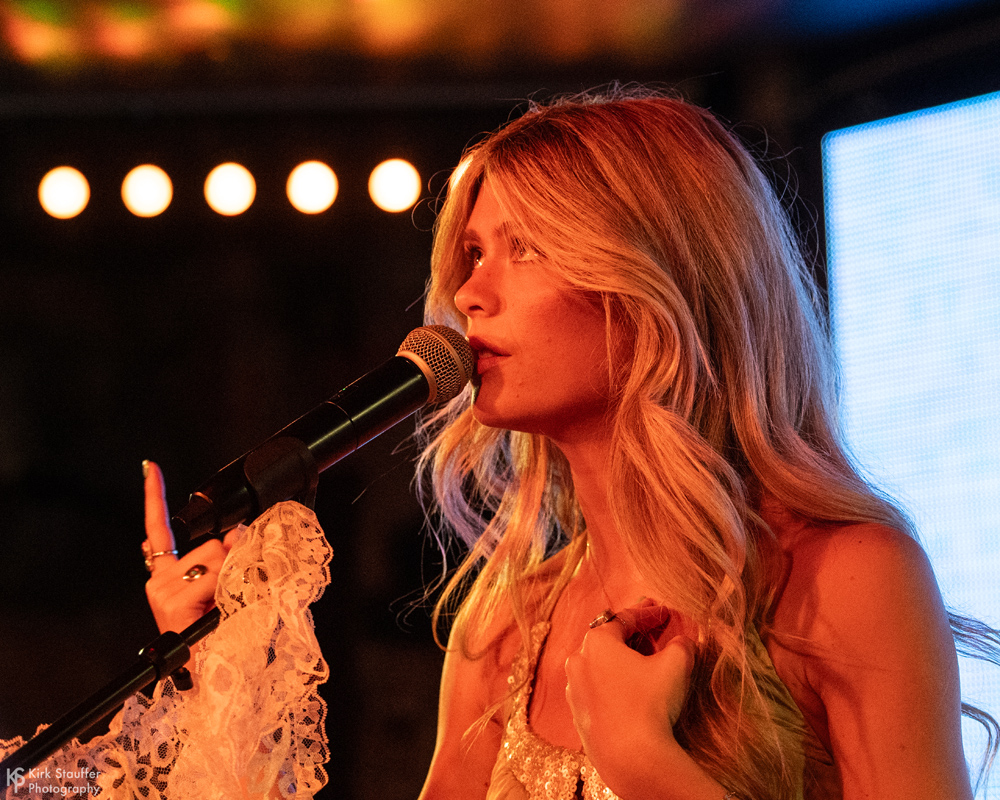
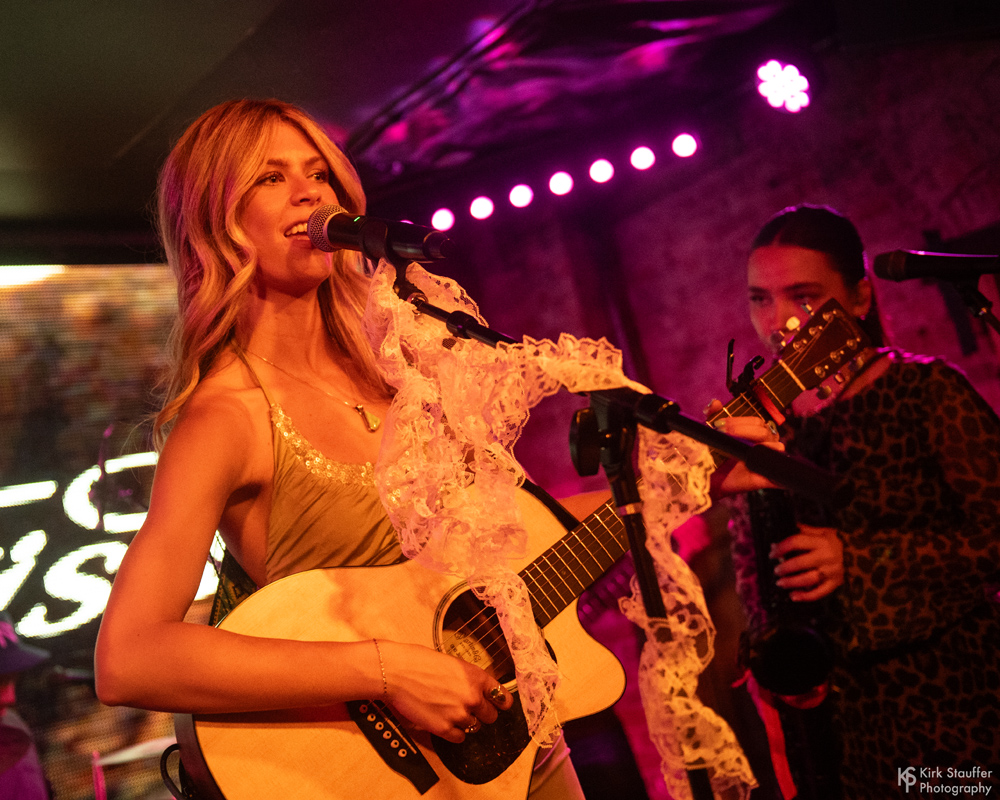
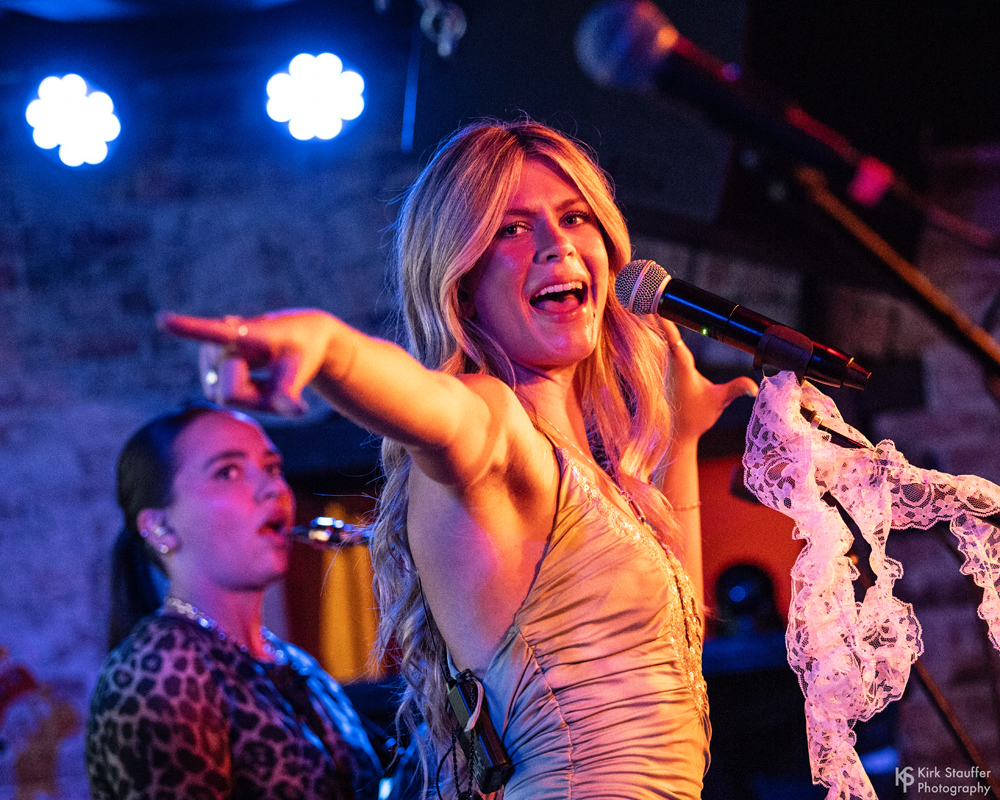
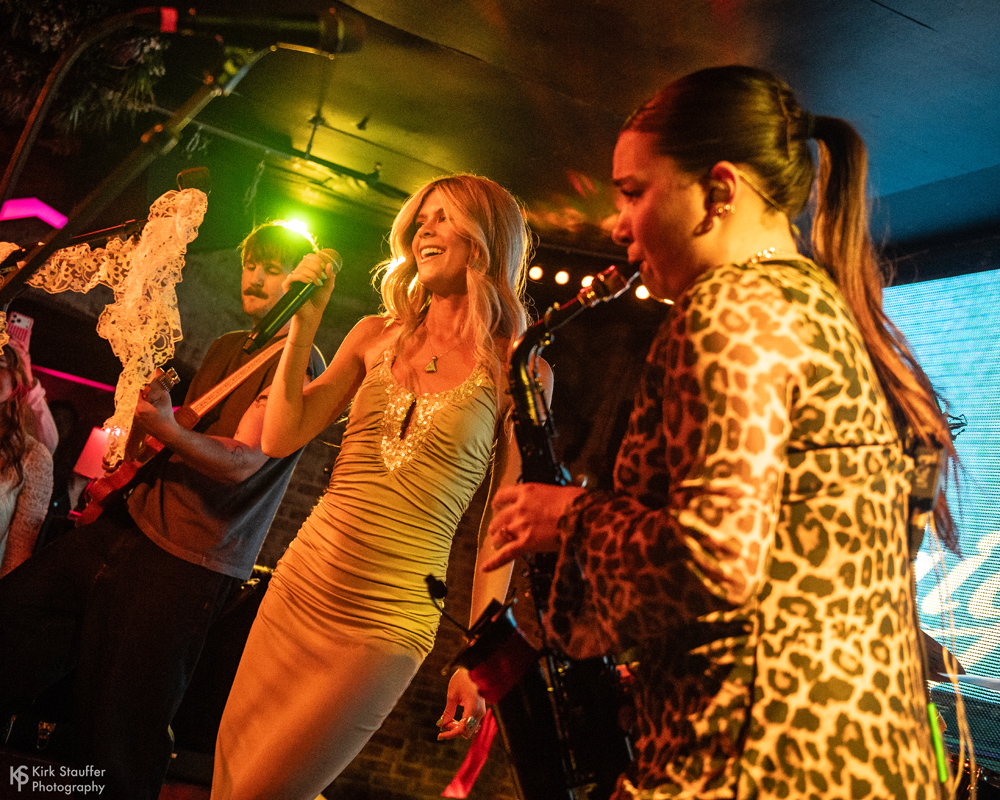
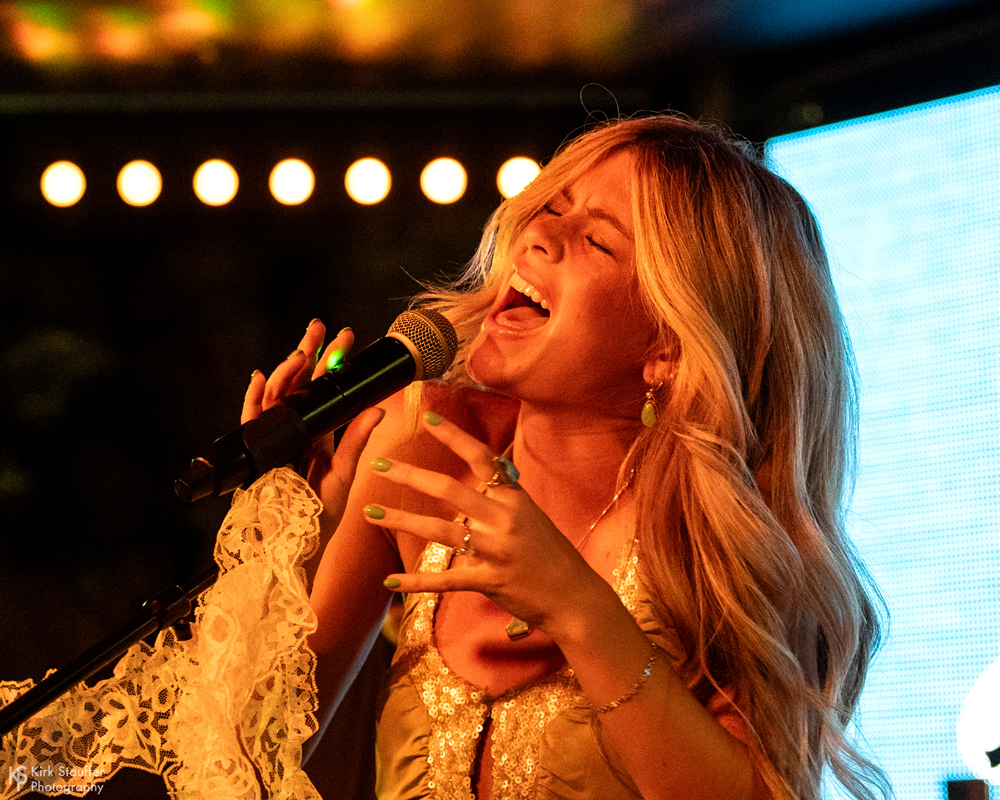
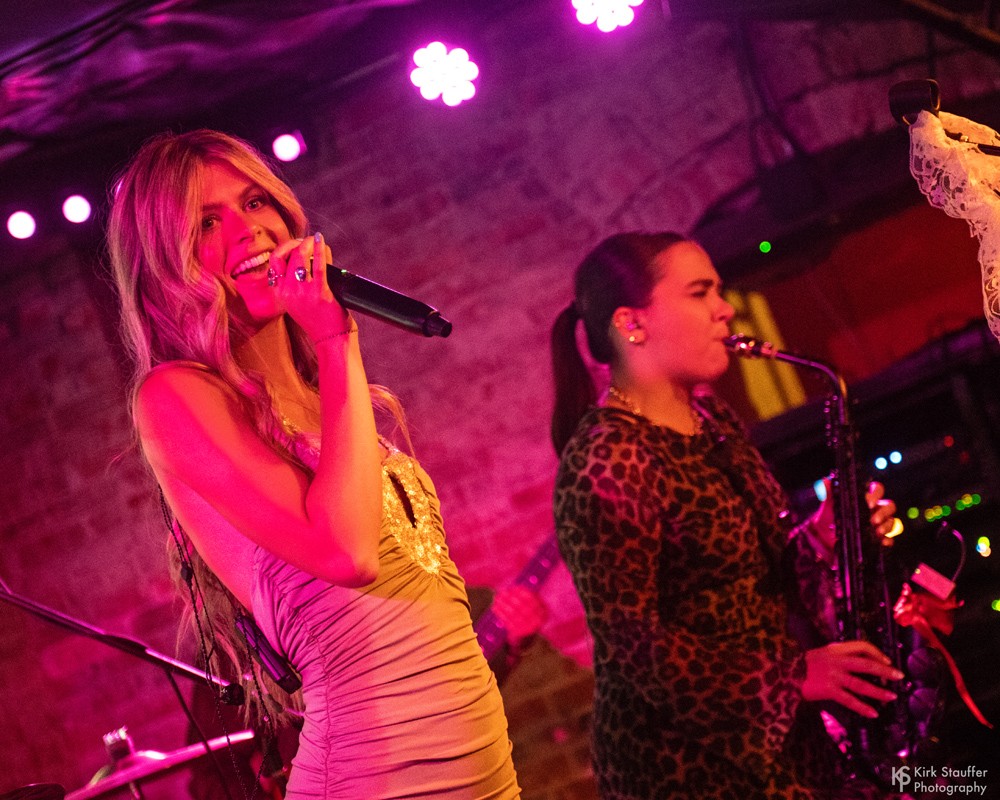
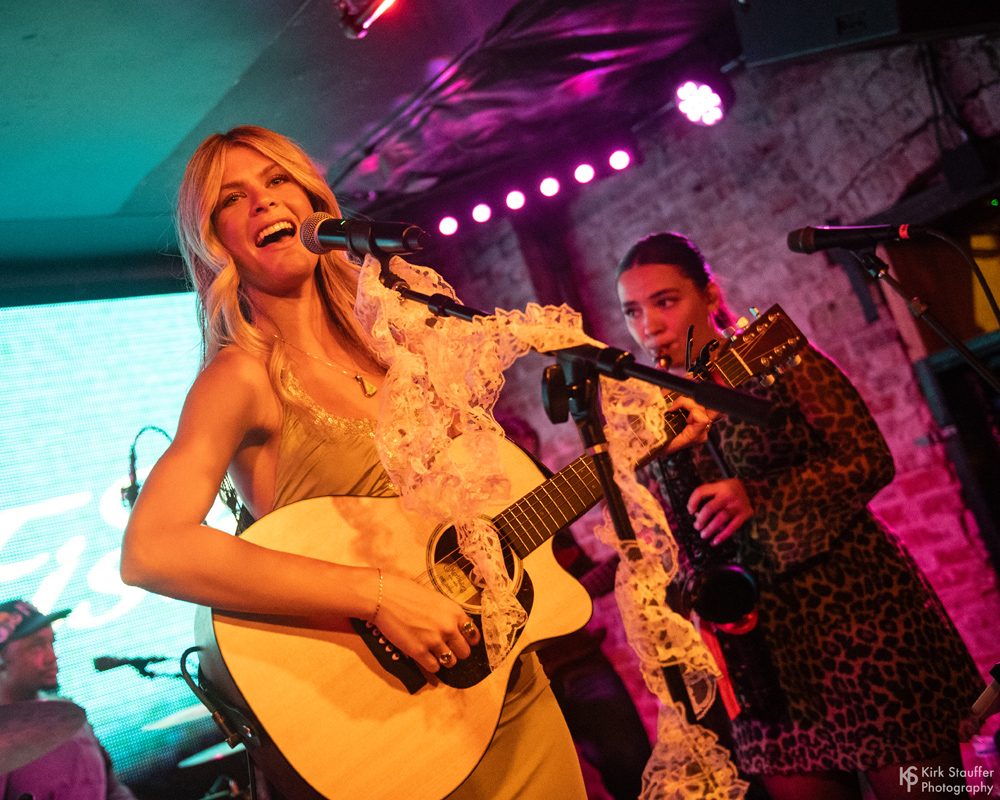
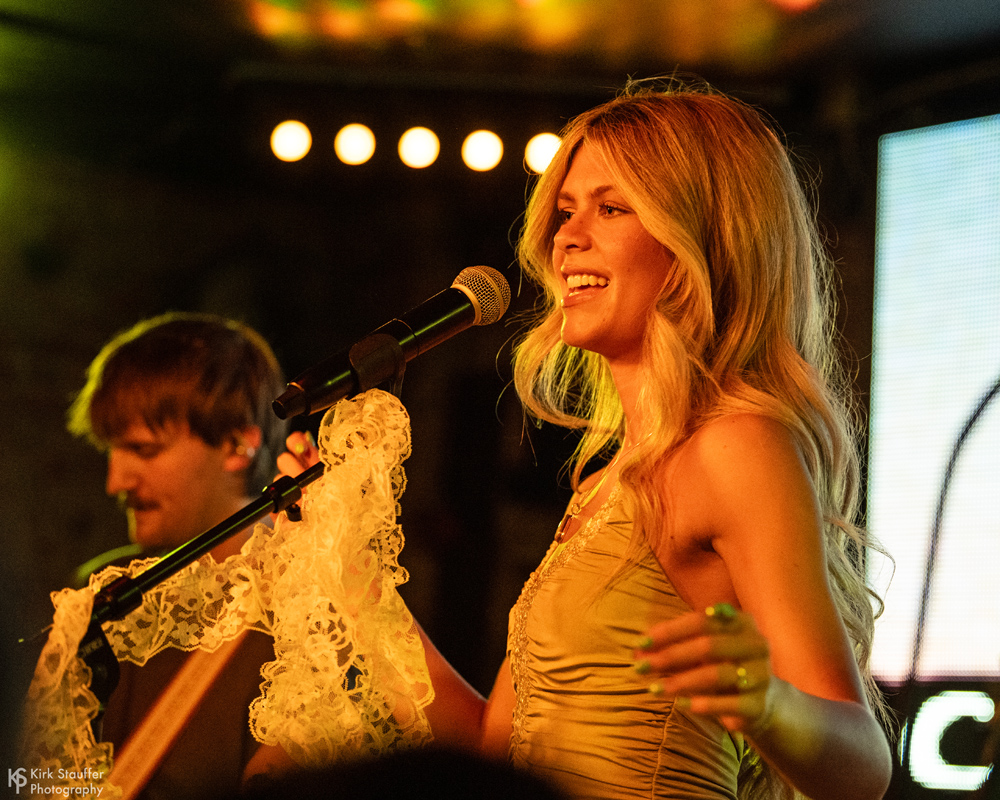
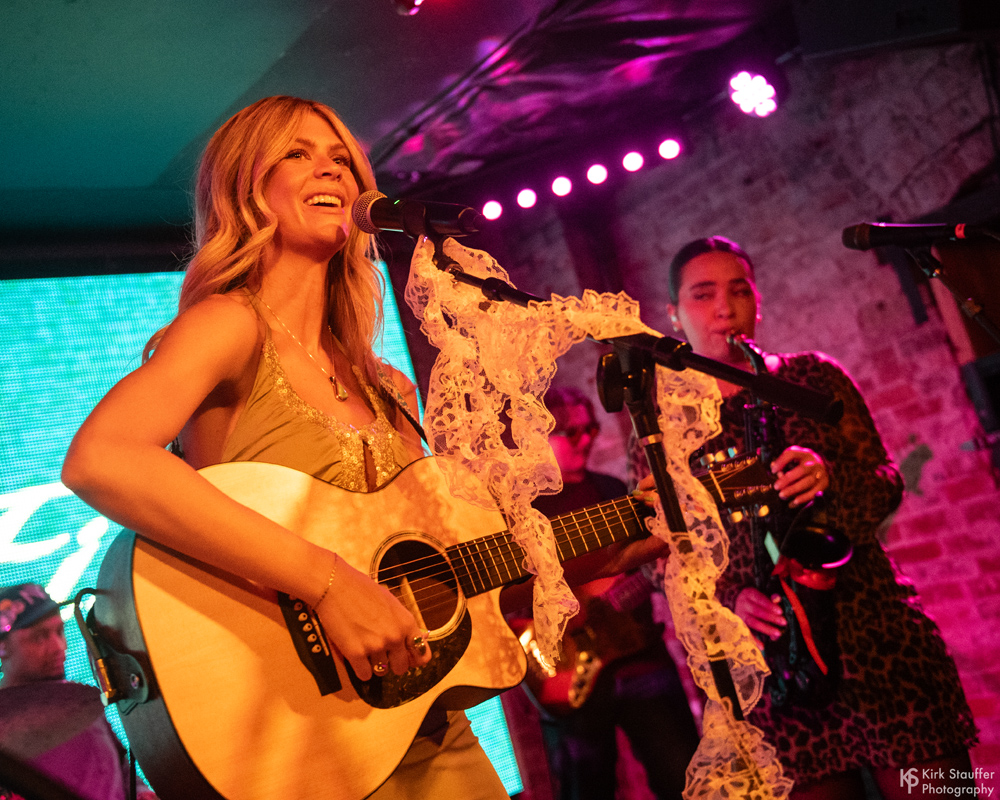
The evening opened with Seattle locals Flür, a band whose sound defies neat classification. Founded by Colombian-born guitarist Mateo Leguizamón, better known as Matt Leggo, the group blends blues, classic rock, hard rock and Latin influences into a bilingual set performed in both English and Spanish. The contrast between Flür’s warm, groove-laden approach and what was to come from Gokumon was stark, but in the best possible way. Flür did exactly what a good opening act should do: energize the room, earn genuine applause from an audience that hadn’t come to see them and leave people feeling like the night was already off to a strong start.

Then Gokumon arrived, and the temperature in the room went up several degrees.

Vocalist and guitarist Atsushi Osawwa walked out carrying a tapestry bearing the band’s logo, an entrance that was equal parts rock showmanship and old-school charm. He was joined by bassist and vocalist Junko and drummer and vocalist Asuka Kawamoto, as well as a fourth touring member serving as visual jockey, or VJ, a role that proved to be far more than a technical position.

From the first notes of “BUNBUN SUIBUN,” it was clear this was not a band content to stand still. Junko worked the stage constantly, moving from one end to the other with a commanding presence that belied the low-key humor embedded in the band’s lyrics. The VJ, meanwhile, treated the entire venue as his domain, leaping around the stage, engaging directly with audience members and serving as a kind of hype engine that kept energy levels surging from song to song. While the crowd at El Corazon was roughly half capacity, those who showed up were fully invested, and the band played with the same conviction they would bring to a packed arena.

The sonic backbone of the set was anchored by Osawwa’s seven-string guitar and Junko’s five-string bass, a combination that gives Gokumon’s music a low-end weight rarely heard in a three-piece format. Their sound is heavy, genuinely and physically heavy, and yet the band’s signature approach, which they call “Seikatsu Micchaku-gata Loud Rock,” or “Life-Immersed Loud Rock,” keeps it grounded in something universally relatable. Songs about not wanting to get out of bed, cats, not wanting to go to work, rice, and even about wanting to speak English.
“I Wish I Could Speak English,” the band’s newest single, released in 2026, landed with particular warmth from the Seattle audience. There was something genuinely moving about a Japanese rock band playing a song about the struggle to communicate in a foreign language while performing that song on foreign soil during their most ambitious North American run to date. The crowd responded accordingly.
Throughout the night, the band made a point to connect with the audience between songs, talking about their music with the kind of unpretentious ease that makes a mid-sized club feel like a living room. In one memorable moment, they paused to teach the crowd how to properly pronounce their full name, Uchikubi Gokumon Doukoukai, and then just Gokumon while showing anime images from Pokémon, a bit that drew laughs and genuine effort from an audience clearly willing to meet the band halfway. That easy warmth, that playful back-and-forth between performers and fans, is a quality that cannot be faked and cannot be manufactured. Gokumon has it in abundance.

Behind the band, a large rear screen displayed images and song lyrics throughout the set, a practical touch for a crowd hearing Japanese-language songs for the first time, but also a visual element that gave the show an immersive, almost theatrical quality. The VJ’s work was synchronized throughout, elevating the experience beyond a standard rock show into something closer to a fully produced performance event.

The 16-song setlist drew from across the band’s discography, which spans more than a dozen studio albums and mini-albums dating back to 2009. Longtime fans had plenty to cheer about, while newcomers were given a thorough and entertaining introduction to what Gokumon does and why their following in Japan has grown so devoted over two decades. Few moments captured the spirit of the evening better than “Kinniku My Friend,” during which the band led the entire crowd in squats, a participatory bit that caught more than a few audience members completely off guard, apparently unprepared for the evening to double as a workout. It was the kind of spontaneous, joyful absurdity that Gokumon seems to conjure effortlessly. “Neko no Wakusei,” “Nikutabeikou!,” “Shimaguni DNA” and “Nippon no Kome wa Sekaichi” were among the other highlights, each one landing with the kind of crowd reaction that suggested the room had been converted, song by song, into fans.

The encore arrived as a weather-appropriate gift: “Naze Kyou Tenki ga Warui,” which translates roughly to “Why Is the Weather Bad Today,” dedicated, with a grin, to Seattle. It was the perfect closing note for a city that has long made peace with the rain and apparently found a kindred spirit in a Japanese rock band that turns the mundane frustrations of daily life into reasons to jump around and sing.

The audience at El Corazon was itself a story worth telling. From young children to elderly adults, spanning genders and ethnicities, the crowd was as diverse a cross-section of Seattle music fans as one could hope to see at a club show on a Thursday night. That range is not accidental. Gokumon’s music, even across the language barrier, speaks to something universal: the shared experience of navigating ordinary life with humor, energy and a little bit of noise.

Gokumon has two dates remaining on their 2026 North America run: Friday, March 20, at Hard Luck Bar in Toronto, Ontario, and Sunday, March 22, at SOB’s in New York City. If you are in either city, do not sleep on this one. Thursday night at El Corazon proved one thing beyond any doubt: Gokumon’s Seattle show confirmed Japanese rock has no language barrier. This is the kind of show that reminds you why live music matters.

Gokumon Gallery
Flür Gallery

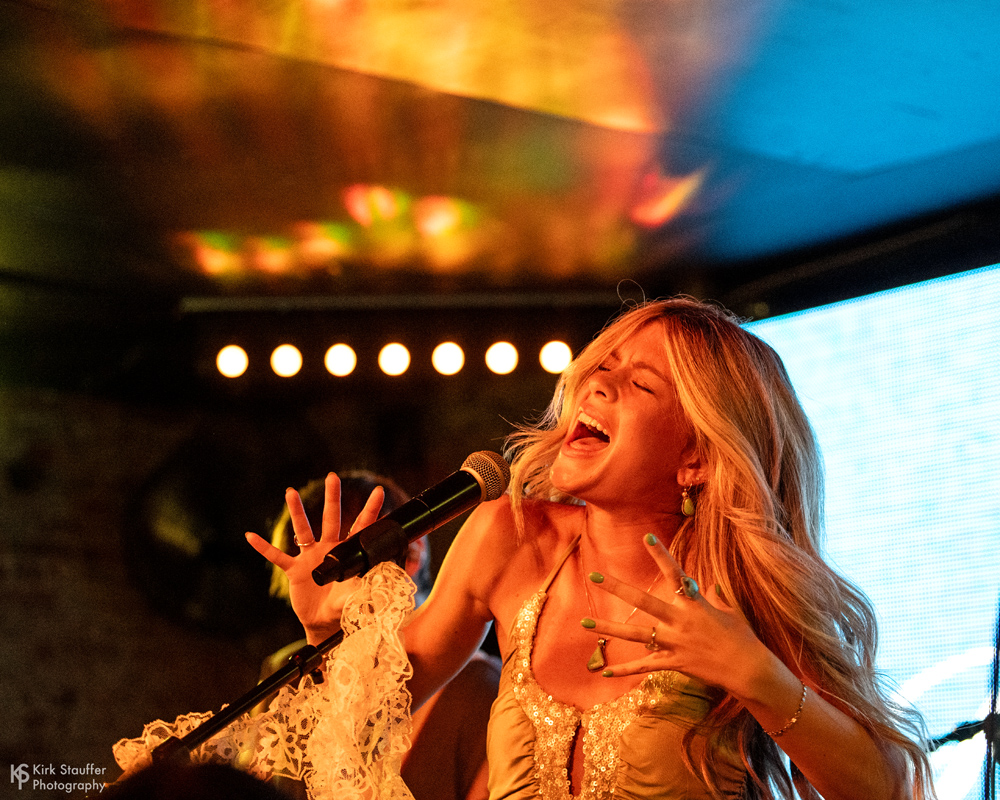
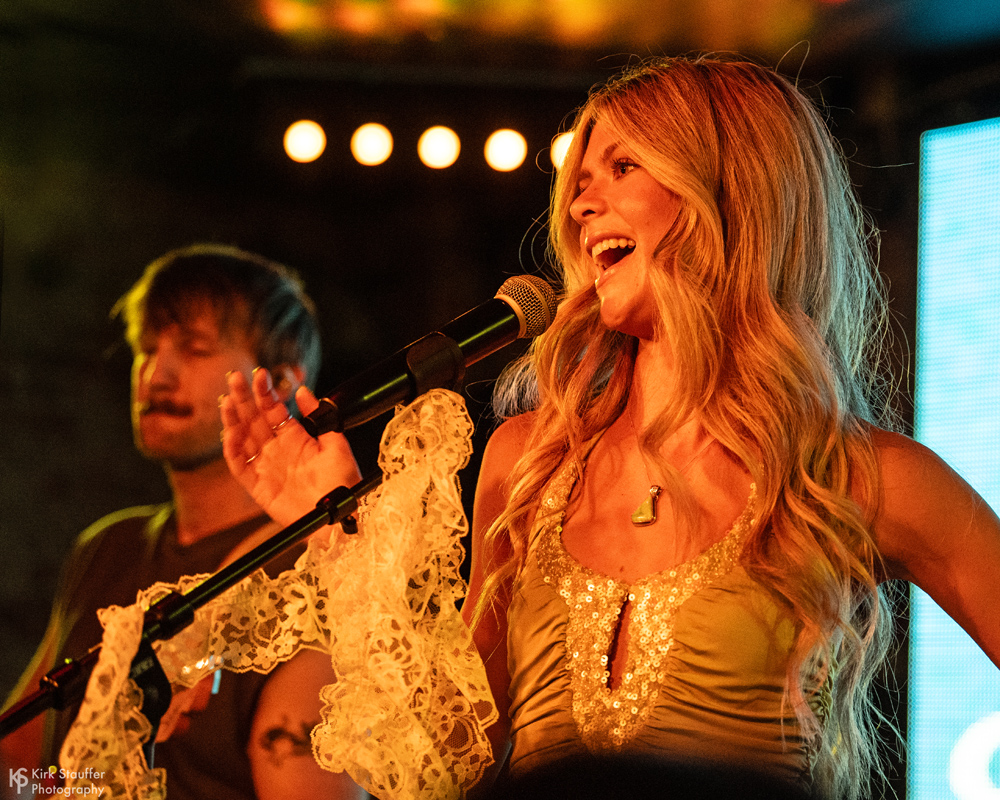
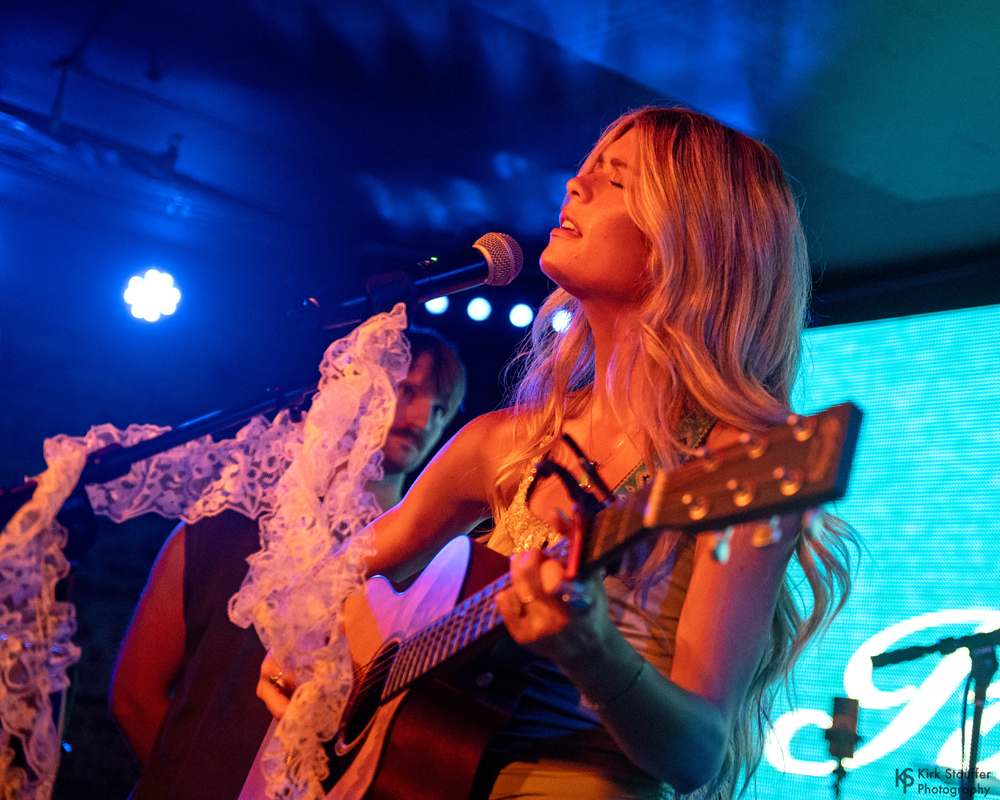
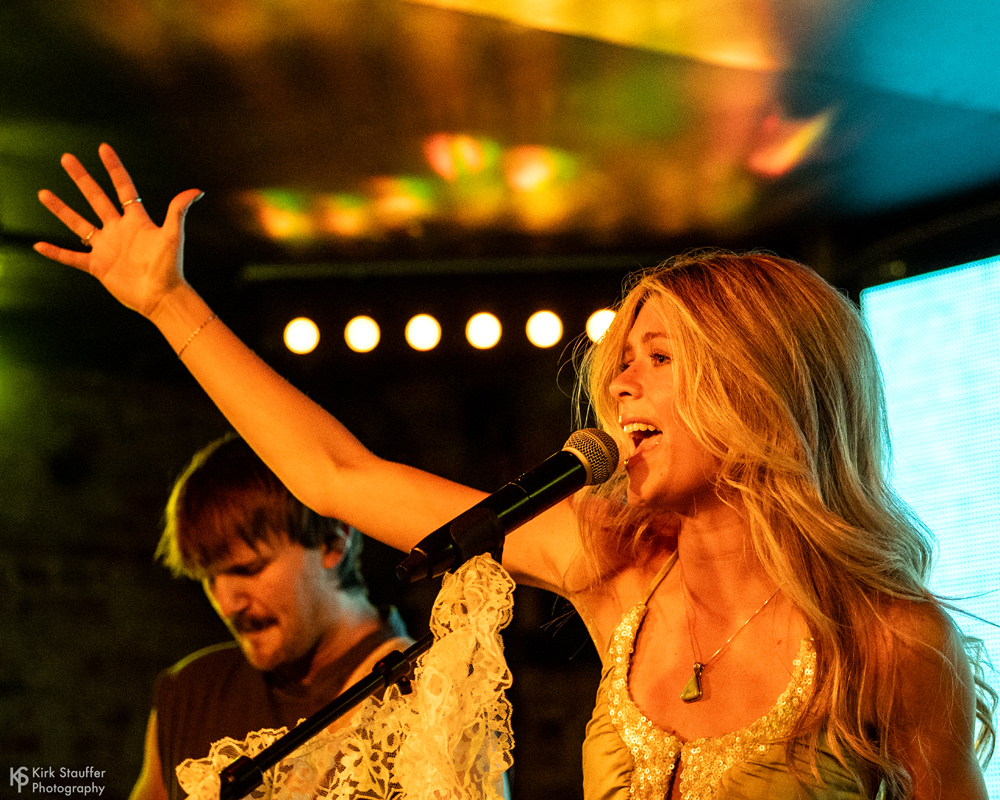
Photos: Natalie Jane @ The Crocodile

Natalie Jane @ The Crocodile – 2/27/2026
Photos by Kirk Stauffer

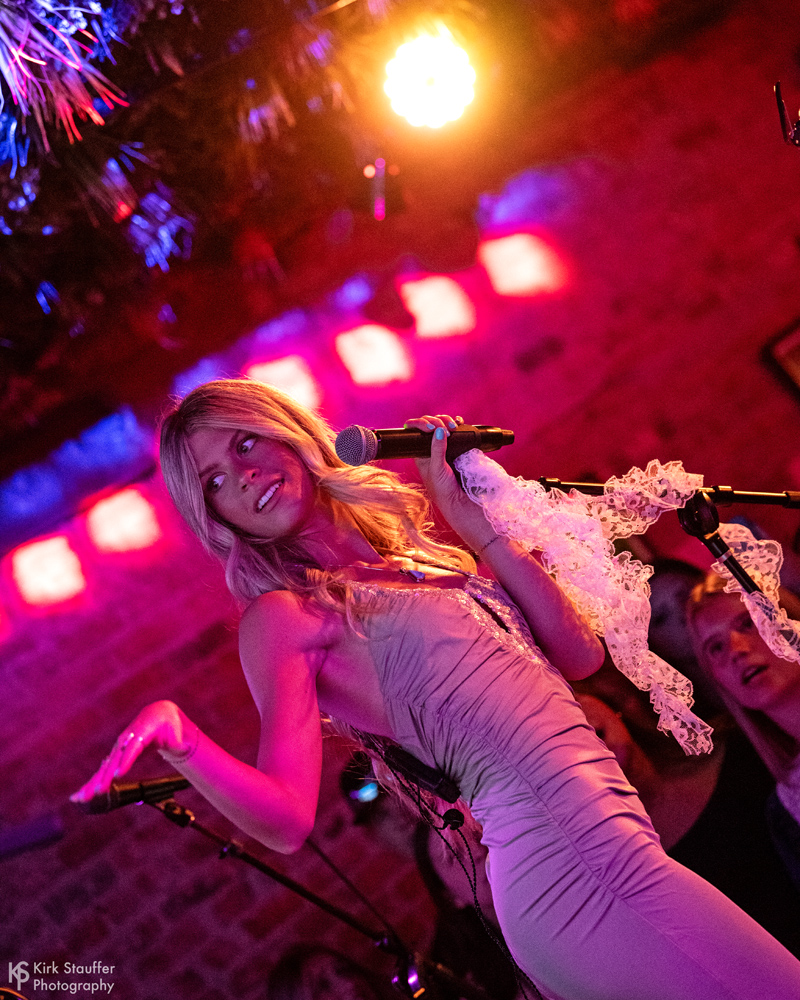
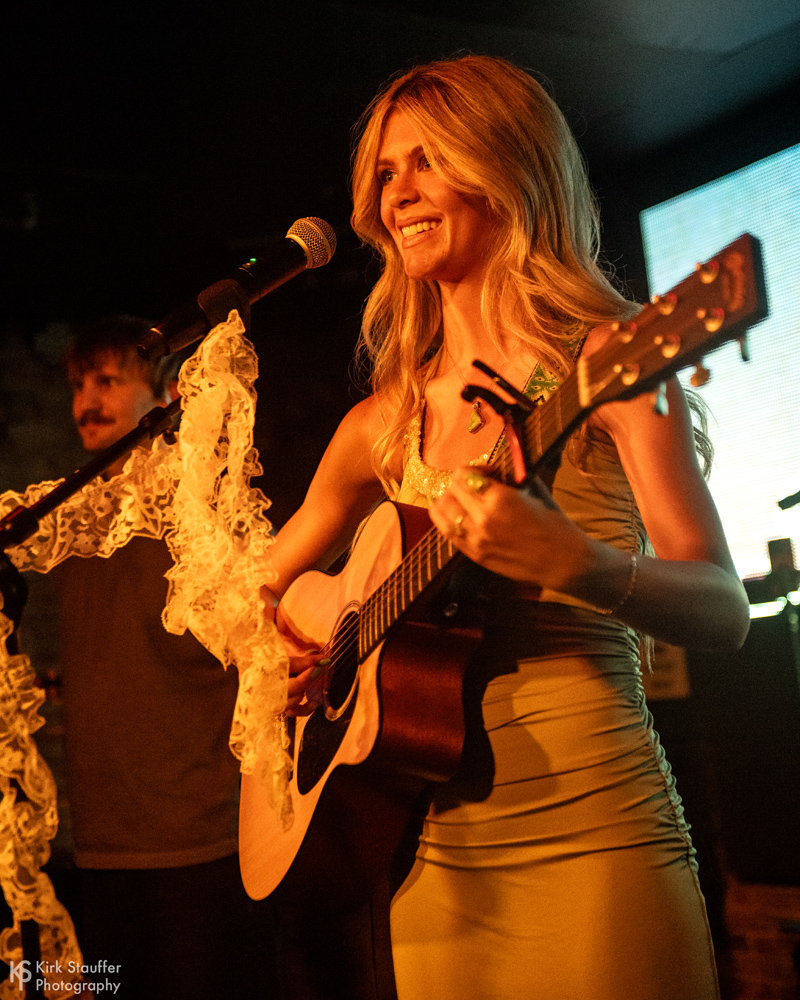
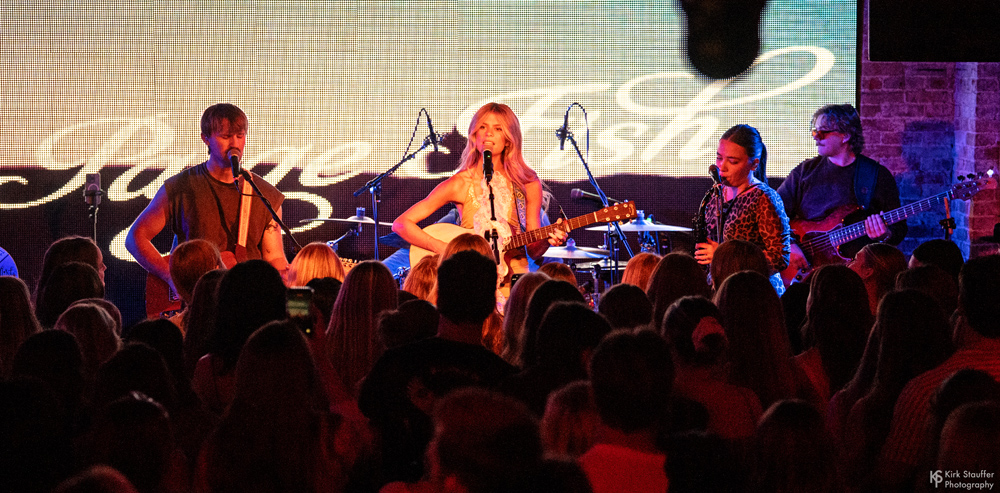
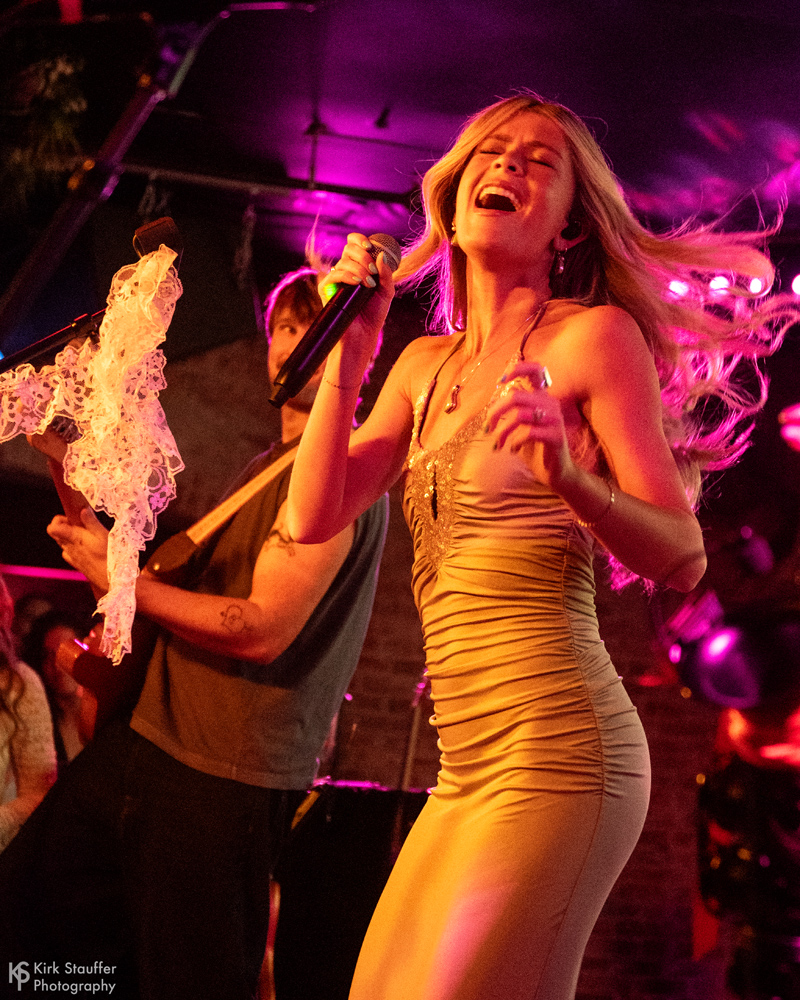
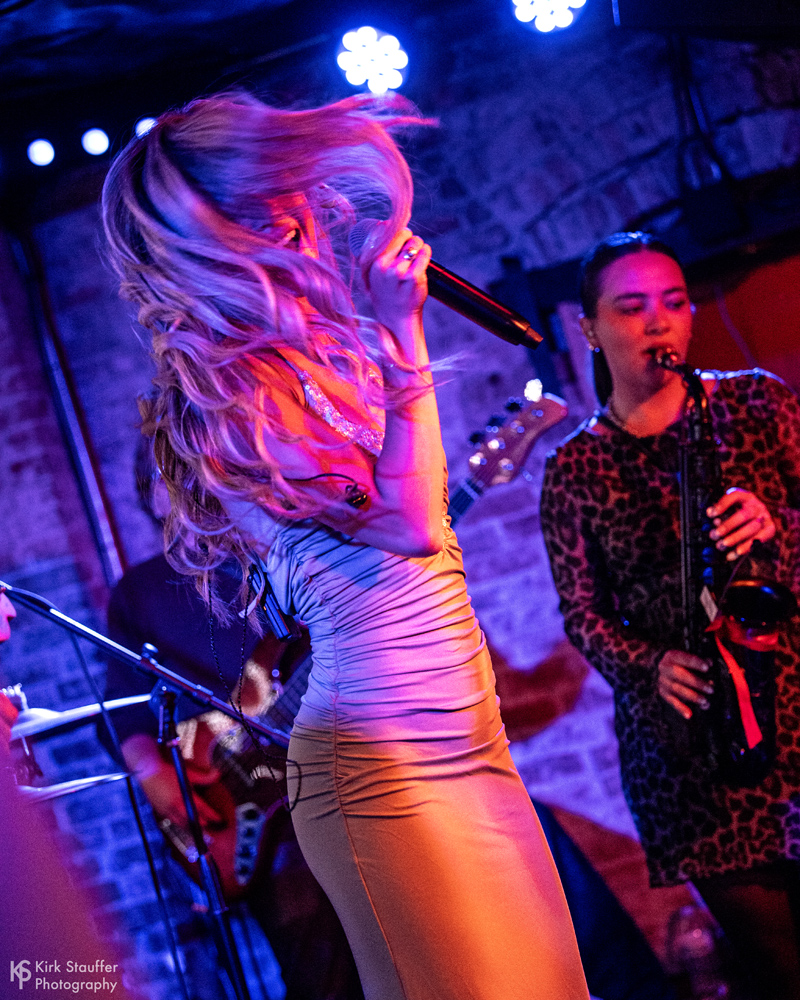
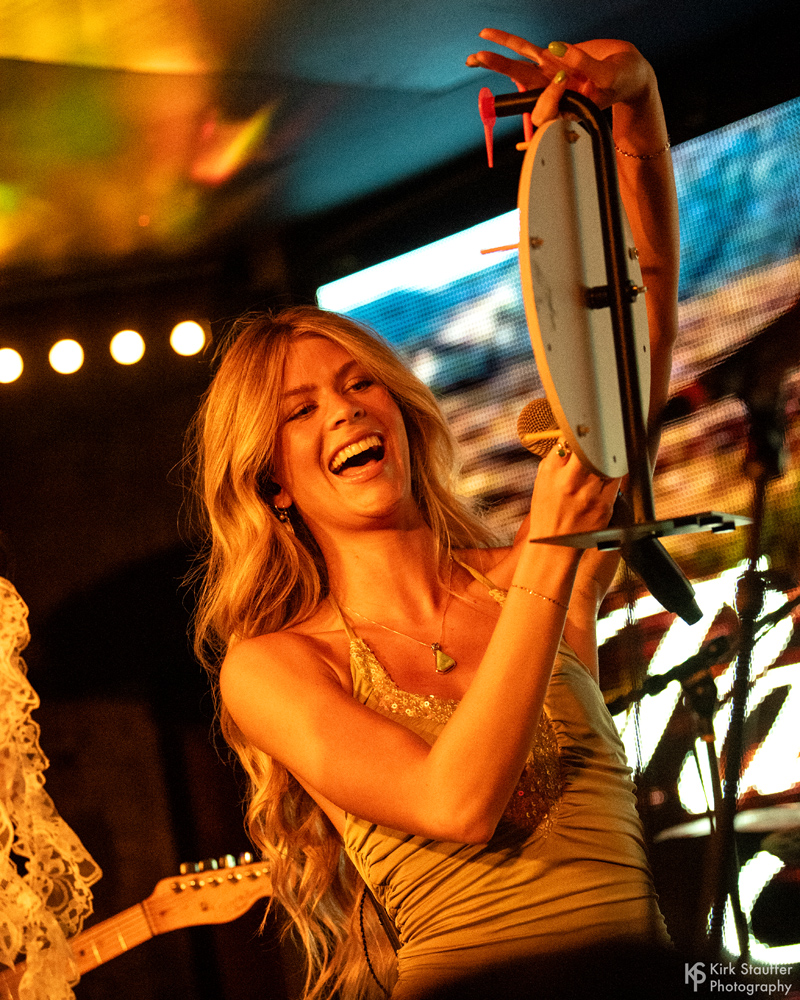
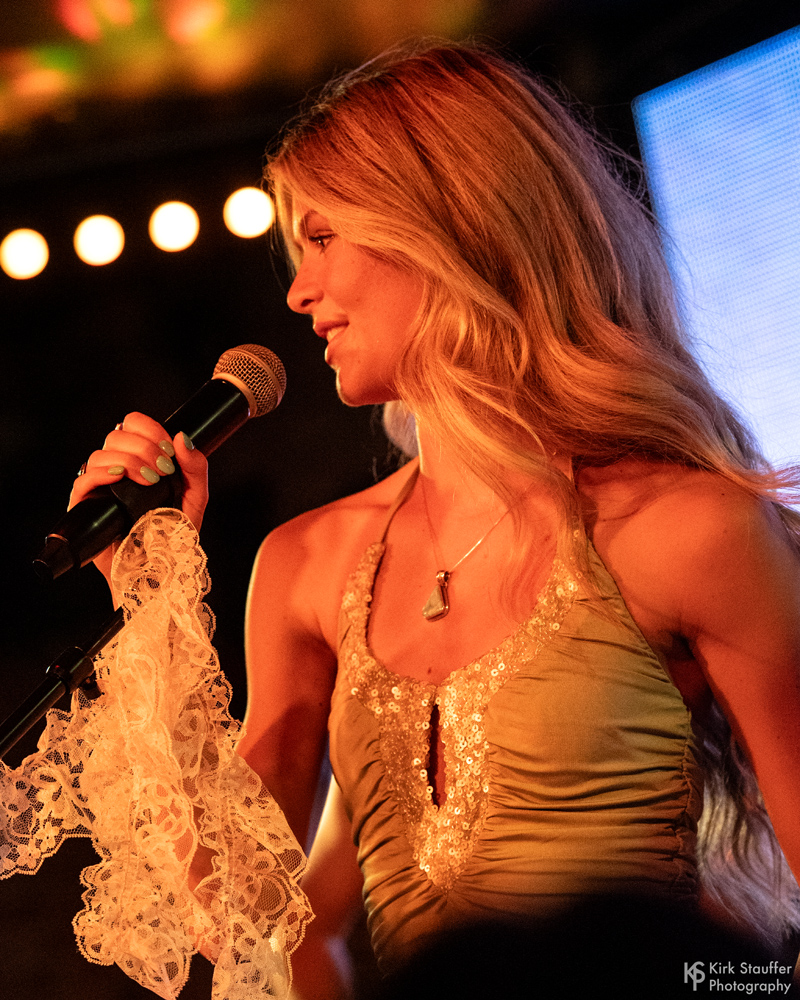
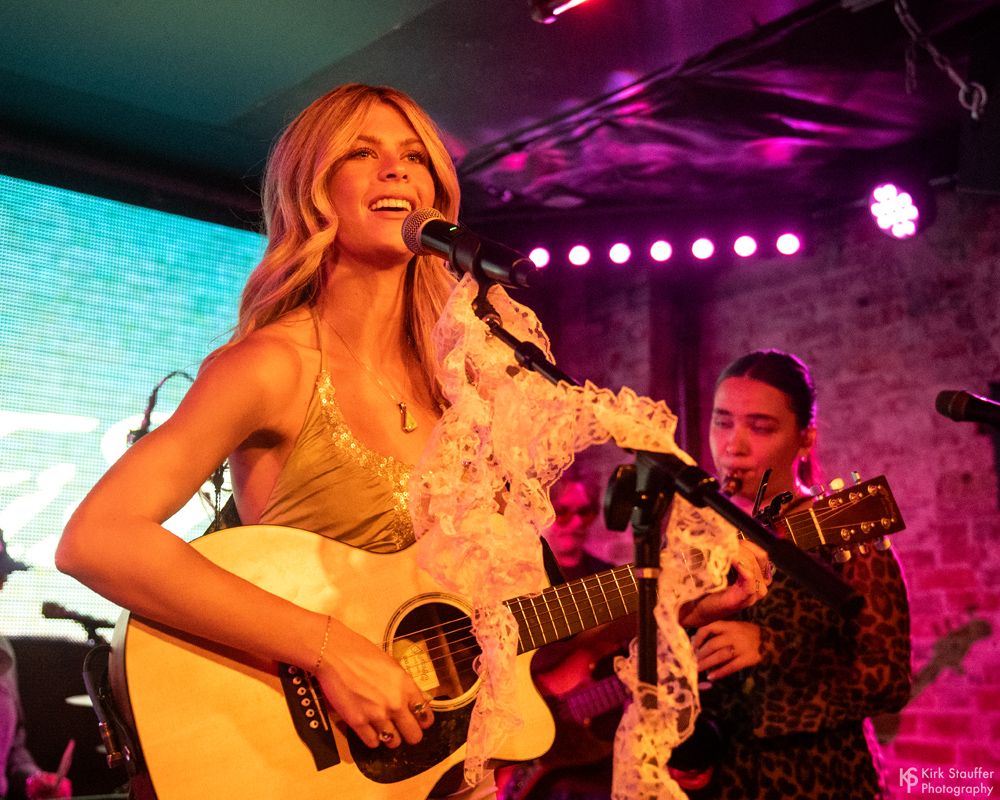
Natalie Jane hit the ground running at The Crocodile last week – it was the first stop on her The World I Didn’t Want Tour.  The American Idol alum was backed by a drummer and recorded music, and her powerhouse vocals were on full display.  The audience was clearly thrilled with Natalie Jane’s performance as they sang along, handed her gifts, and held up signs.  Alt-pop singer Colby opened.

Natalie Jane – Photos by Kirk Stauffer

Colby – Photos by Kirk Stauffer

Show Review & Photos: Opeth @ Paramount Theatre

Opeth - Paramount 2026-2-24 - Photo by Diane Webb

Opeth Triumphs at Seattle’s Paramount Theatre, A Powerful Finale to Their 2026 U.S. Tour

SEATTLE (February 24, 2026) – Seattle’s metal faithful turned out in force Tuesday night, filling the storied Paramount Theatre for what was billed as an evening of Swedish progressive metal mastery. By late afternoon, the line along Pine Street stretched down the block, a sea of black band shirts and eager anticipation that spoke to the city’s deep, enduring connection to heavy music.

For decades, Seattle has nurtured a passionate and knowledgeable heavy music community. From the grit of grunge to the technical precision of modern progressive metal, local fans show up prepared, informed, and loud. Tuesday was no exception. The expectation was a two band showcase featuring Opeth and their countrymen Katatonia, both pillars of Sweden’s dark and evolving metal tradition.

However, the evening took an unexpected turn. On the morning of the show, Katatonia announced that their tour bus had broken down in Eugene, Oregon, preventing them from reaching Seattle in time. Rather than scrambling for a last minute replacement, the night transformed into an extended, headlining performance by Opeth, a band more than capable of carrying the weight of the moment.

Frontman Mikael Åkerfeldt addressed the situation with characteristic wit. He joked that he had dinner with Katatonia the night before and perhaps slipped something into their drinks, a comment that drew roaring laughter from an audience well acquainted with his dry humor. Åkerfeldt’s between song banter is as much a part of the Opeth experience as the music itself, oscillating between self deprecation, absurd observations, and sharp comedic timing. Fans shouted out song requests and playful comments, each met with quick retorts that deepened the sense of intimacy inside the grand old theater.

When the house lights dimmed, the band opened with “§1,” the stage bathed in dramatic darkness before erupting into bursts of yellow, red, blue, and orange light. A massive LED backdrop pulsed with shifting visuals, amplifying the emotional weight of the music. The ornate architecture of the Paramount Theatre, with its sweeping balconies and vintage detailing, framed the performance in cinematic fashion, elevating the atmosphere from concert to spectacle.

Opeth’s setlist was both punishing and poignant, a reminder of the band’s remarkable range. “Master’s Apprentices” and “Godhead’s Lament” delivered crushing riffs and intricate time changes that showcased the band’s progressive roots. “The Devil’s Orchard” and “To Rid the Disease” leaned into melody and mood, with Åkerfeldt’s clean vocals floating through the theater with haunting clarity. “Demon of the Fall” ignited a surge of energy, its ferocity met by a crowd that roared every word back to the stage.

As the night built toward its climax, “The Grand Conjuration” and “The Drapery Falls” demonstrated why Opeth remain one of the most respected names in modern metal, seamlessly weaving brutality and beauty. The encore, “Deliverance,” closed the evening with thunderous precision, its final passages locking band and audience into a shared catharsis.

While the absence of Katatonia initially cast a shadow, by the end of the night spirits were unmistakably lifted. What began as a logistical setback became a testament to Opeth’s depth and to Seattle’s unwavering devotion to heavy music. The city marked the final United States stop of the band’s 2026 tour, with only Vancouver, British Columbia remaining to conclude the North American run.

As fans spilled back onto Pine Street, voices hoarse and ears ringing, there was a palpable sense of gratitude. Seattle’s metal community had once again proven its resilience and passion. And if the reaction inside the Paramount was any indication, Opeth’s return to the Emerald City cannot come soon enough.

Opeth Gallery

Show Review & Photos: Orbit Culture @ El Corazon

Orbit Culture - El Corazon 2026-2-20 - Photo by Diane Webb

Orbit Culture Sells Out El Corazon, Delivers Crushing Night of Metal in Seattle

SEATTLE (February 20, 2026) – Swedish metal force Orbit Culture returned to the Pacific Northwest for a triumphant second appearance, this time as headliners commanding a sold out crowd at El Corazon.

The band first introduced themselves to Seattle audiences in 2024 as direct support for Machine Head, delivering a performance that left a lasting impression on the city’s devoted metal faithful. Two years later, they returned not as openers, but as a rising international act with a devoted following of their own. The rapid ascent has been undeniable. Since 2021, Orbit Culture (established in 2013) has evolved from promising newcomers into festival mainstays across Europe and North America, earning acclaim for their precision musicianship, thunderous live sound, and the commanding presence of frontman Niklas Karlsson.

Seattle’s metal community, long recognized for its loyalty and intensity, showed up in force. The historic El Corazon, a cornerstone of the city’s heavy music scene for decades, was filled wall to wall. From the first note to the final encore, the air was thick with heat and anticipation. On the main floor, there was no refuge from the crush of bodies. Fans peeled off hoodies, wiped sweat from their faces, and braced themselves against the surge of the crowd. It was the kind of environment Seattle metal fans know well, punishing, communal, and electrifying.

Opening the evening were Las Vegas deathcore outfit Ov Sulfur and Finland’s melodic heavy hitters Atlas. Both bands delivered blistering sets that primed the audience for the sonic assault to come, layering guttural intensity and atmospheric heaviness into an already charged room.

When Orbit Culture took the stage, the response was immediate and deafening. They launched into “Death Above Life,” setting a relentless pace that rarely let up. “The Storm” and “The Tales of War” followed, each track showcasing the band’s blend of groove laden riffs, melodic undercurrents, and punishing rhythms. The precision of their performance underscored why their reputation has grown so quickly on the global stage.

“North Star of Nija” and “Saw” drew some of the loudest reactions of the night, igniting circle pits and sending waves of crowd surfers toward the barricade. Security worked tirelessly as fans lifted one another overhead, hands outstretched in solidarity and exhilaration. “From the Inside” and “Bloodhound” further intensified the atmosphere, the crowd moving as one mass of headbanging silhouettes beneath the stage lights.

Mid-set, the band paused to engage the audience, urging Seattle to make some noise. With a grin, they teased that Roseville and Portland had been louder. The playful jab was met with thunderous boos, quickly transformed into a roar so powerful it visibly satisfied the band. It was a quintessential live music moment, competitive, communal, and fueled by pride.

As the night pushed forward, “The Shadowing,” “Open Eye,” and “While We Serve” demonstrated the depth of Orbit Culture’s catalog, balancing aggression with haunting melody. By the time “Hydra” thundered through the venue, the temperature in the room felt as though it had climbed another ten degrees. The closing assault of “Vultures of North” served as a fitting finale, its crushing breakdowns leaving the crowd spent but exhilarated.

For longtime followers who witnessed their 2024 supporting slot, the growth was unmistakable. For new fans packed shoulder to shoulder inside El Corazon, it was a declaration that Orbit Culture has arrived as a headlining force.

On a night defined by sweat, volume, and unrelenting energy, Seattle’s metal faithful once again proved why the city remains one of the most passionate heavy music markets in the country. And as the house lights rose and ringing ears met the cool February air outside, there was little doubt that those in attendance had experienced something powerful, a band ascending, and a city more than willing to rise with them.

Orbit Culture Gallery